

Read In English / हिन्दी में पढ़ें
Flowers That Can Kill You – Deadly Yet Beautiful
Not all flowers are innocent. Some contain powerful toxins that can seriously harm or kill humans and animals. These plants are often found in gardens, forests, or even used in traditional medicine. Knowing their sources and dangers can help avoid accidental poisoning.
1. Aconitum (Monkshood / Wolfsbane)

- Toxin: Aconitine
- Effects: Nervous system failure, heart paralysis
- Sources:
- Grows in mountainous regions of Europe, North America, and Asia
- Cultivated in ornamental gardens
- Warning: Toxic through skin and ingestion
- Know More
2. Nerium Oleander (Oleander)

- Toxins: Oleandrin and Neriine
- Effects: Heart failure, nausea, vomiting
- Sources:
- Native to Mediterranean regions
- Widely used as an ornamental plant in Asia, Africa, and the Americas
- Fatal Dose: 1 leaf can kill a child
- Know More
3. Datura (Jimsonweed / Devil’s Trumpet)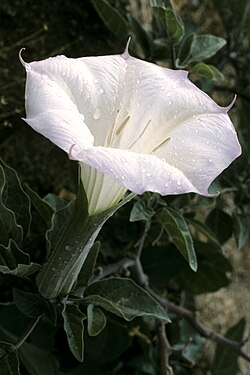
- Toxins: Scopolamine, Atropine, Hyoscyamine
- Effects: Hallucinations, delirium, death
- Sources:
- Native to India and Central America
- Found in waste lands, roadsides, and gardens globally
- Highly toxic in all parts of the plant
- Know More
4. Digitalis Purpurea (Foxglove)
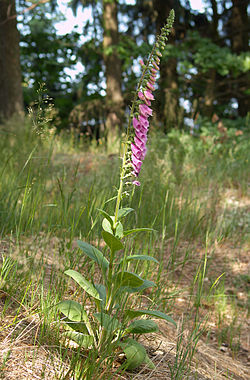
- Toxins: Digoxin, Digitoxin (cardiac glycosides)
- Effects: Irregular heartbeat, vision problems, death
- Sources:
- Native to Europe and parts of Asia
- Commonly grown in temperate gardens
- Used medicinally in small, controlled doses
- Know More
5. Ricinus Communis (Castor Bean Plant) 
- Toxin: Ricin
- Effects: Internal bleeding, organ failure, death
- Sources:
- Native to Africa
- Grown worldwide for castor oil production
- Seeds are the most toxic part
- Ricin is considered a chemical warfare agent
- Know More
6. Convallaria Majalis (Lily of the Valley)

- Toxins: Convallatoxin, Convalloside
- Effects: Cardiac arrest, seizures
- Sources:
- Native to Europe and temperate Asia
- Common in shady gardens and woodlands
- Highly toxic, despite pleasant smell and appearance
- Know More
7. Brugmansia (Angel’s Trumpet)
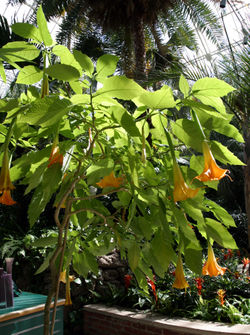
- Toxins: Scopolamine, Hyoscyamine
- Effects: Paralysis, death
- Sources:
- Native to South America
- Grown as ornamental shrubs in tropical and subtropical gardens
- All parts toxic; closely related to Datura
- Know More
8. Gloriosa Superba (Flame Lily)
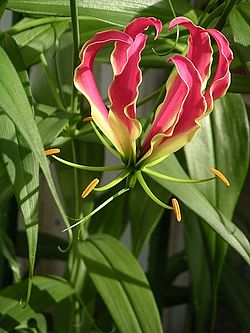
- Toxin: Colchicine
- Effects: Multi-organ failure, death
- Sources:
- Native to Africa and tropical Asia, especially India
- Grown as ornamental plant
- Used in traditional medicine (very risky)
- Tuber and roots are extremely poisonous
- Know More
9. Helleborus (Christmas Rose / Lenten Rose)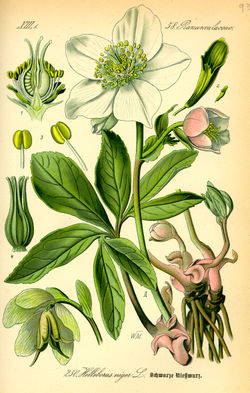
- Toxins: Helleborin, Helleborein
- Effects: Vomiting, convulsions, heart failure
- Sources:
- Native to Europe and parts of Asia
- Cultivated in temperate gardens
- Often used in old European herbal medicine
- Know More
10. Rhododendron and Azalea

- Toxin: Grayanotoxin
- Effects: Nausea, low blood pressure, paralysis
- Sources:
- Native to Asia, Europe, and North America
- Common in mountain regions and home gardens
- Toxic honey (“mad honey”) produced from nectar
- Even small amounts can cause serious illness
- Know More
Symptoms of Flower Poisoning
- Nausea and vomiting
- Breathing difficulty
- Hallucinations or confusion
- Seizures
- Irregular heartbeat
- Organ failure or death in severe cases
Safety Tips
- Never ingest wild or ornamental flowers without expert knowledge.
- Keep children and pets away from unknown plants.
- Wear gloves while gardening with unknown species.
- Wash hands after touching flowers, especially toxic varieties.
- In case of poisoning, seek emergency medical help immediately.
Conclusion
These deadly flowers may be beautiful, but their toxicity makes them hazardous. Understanding their sources, toxic compounds, and effects can save lives and prevent tragic accidents. Be cautious, especially when planting or interacting with unfamiliar flora.
Read In English / हिन्दी में पढ़ें
🌸 Flowers That Can Kill You – सुंदर लेकिन जानलेवा फूल (स्रोत सहित)
कुछ फूल देखने में जितने सुंदर होते हैं, उतने ही जानलेवा भी हो सकते हैं। इनमें पाए जाने वाले विषैले रसायन (toxins) इंसानों और जानवरों के लिए घातक साबित हो सकते हैं। इनके बारे में जानकारी होना बहुत जरूरी है।
1. Aconitum (Monkshood / Wolfsbane)
- विष: Aconitine
- प्रभाव: नसों और हृदय पर असर, उल्टी, दिल की धड़कन बंद
- स्रोत:
- हिमालय, यूरोप, एशिया और उत्तरी अमेरिका के पर्वतीय क्षेत्रों में पाया जाता है
- बागों में सजावटी पौधे के रूप में लगाया जाता है
- सावधानी: छूने मात्र से भी ज़हर असर कर सकता है
- Know More
2. Nerium Oleander (Oleander)
- विष: Oleandrin और Neriine
- प्रभाव: उल्टी, दस्त, दिल की धड़कन अनियमित, मृत्यु
- स्रोत:
- भूमध्यसागरीय क्षेत्र का मूल निवासी
- भारत सहित एशिया, अफ्रीका, अमेरिका में बाग-बगीचों में सजावटी पौधा
- खतरा: केवल 1 पत्ता बच्चे के लिए जानलेवा हो सकता है
- Know More
3. Datura (Jimsonweed / Devil’s Trumpet)
- विष: Scopolamine, Atropine, Hyoscyamine
- प्रभाव: भ्रम, मतिभ्रम, लकवा, मृत्यु
- स्रोत:
- भारत और मध्य अमेरिका का मूल पौधा
- सड़कों, बंजर ज़मीन और बागों में उगता है
- सभी भाग विषैले होते हैं, खासकर बीज और फूल
- Know More
4. Digitalis Purpurea (Foxglove)
- विष: Digoxin (Cardiac Glycosides)
- प्रभाव: दिल की धड़कन अनियमित, धुंधली दृष्टि, मृत्यु
- स्रोत:
- यूरोप और एशिया में पाया जाता है
- बाग-बगीचों में सजावटी पौधा
- दवा के रूप में प्रयोग सीमित मात्रा में, अधिक मात्रा जानलेवा
- Know More
5. Ricinus Communis (Castor Bean Plant)
- विष: Ricin
- प्रभाव: पेट दर्द, आंतरिक रक्तस्राव, अंगों का फेल होना, मृत्यु
- स्रोत:
- अफ्रीका का मूल पौधा
- विश्वभर में Castor Oil के लिए उगाया जाता है
- बीज अत्यंत विषैले होते हैं
- Ricin को जैविक हथियार माना गया है
- Know More
6. Convallaria Majalis (Lily of the Valley)
- विष: Convallatoxin
- प्रभाव: दिल की गति धीमी होना, दौरे, मृत्यु
- स्रोत:
- यूरोप और एशिया के समशीतोष्ण क्षेत्रों में पाया जाता है
- बागों और जंगलों में आम
- दिखने में सुंदर, गंध सुगंधित लेकिन अत्यंत विषैला
- Know More
7. Brugmansia (Angel’s Trumpet)
- विष: Scopolamine, Hyoscyamine
- प्रभाव: भ्रम, लकवा, मृत्यु
- स्रोत:
- दक्षिण अमेरिका का मूल पौधा
- उष्णकटिबंधीय क्षेत्रों में बगीचों में लगाया जाता है
- Datura से मिलता-जुलता और उतना ही ज़हरीला
- Know More
8. Gloriosa Superba (Flame Lily)
- विष: Colchicine
- प्रभाव: अंग विफलता, उल्टी, मृत्यु
- स्रोत:
- भारत और अफ्रीका में पाया जाने वाला पौधा
- सजावटी और पारंपरिक आयुर्वेदिक उपयोग
- जड़ें और कंद अत्यंत विषैले होते हैं
- Know More
9. Helleborus (Christmas Rose / Lenten Rose)
- विष: Helleborin
- प्रभाव: उल्टी, ऐंठन, लकवा
- स्रोत:
- यूरोप और एशिया का मूल पौधा
- शीतोष्ण बागों में उगाया जाता है
- प्राचीन यूरोपीय औषधियों में उपयोग, लेकिन अत्यंत विषैला
- Know More
10. Rhododendron और Azalea
- विष: Grayanotoxin
- प्रभाव: मतली, भ्रम, हृदय गति में गिरावट
- स्रोत:
- एशिया, यूरोप और उत्तरी अमेरिका के पर्वतीय क्षेत्रों में
- बगीचों में सजावटी पौधा
- इसके फूलों से बना “mad honey” भी विषैला होता है
- Know More
☠️ फूलों से विषाक्तता के सामान्य लक्षण
- उल्टी, दस्त
- सांस लेने में कठिनाई
- भ्रम, मतिभ्रम
- मिर्गी के दौरे
- हृदय गति अनियमित
- अंगों का फेल होना, गंभीर स्थिति में मृत्यु
✅ सावधानी बरतें
- किसी भी अज्ञात फूल या पौधे को न खाएं
- बच्चों और पालतू जानवरों को इन पौधों से दूर रखें
- बागवानी करते समय दस्ताने पहनें
- हाथों को छूने के बाद धोना जरूरी है
- विषाक्तता होने पर तुरंत चिकित्सा सहायता लें
निष्कर्ष
ये फूल जितने सुंदर होते हैं, उतने ही घातक भी हो सकते हैं। इनके स्रोत और विषैले तत्वों की जानकारी रखना जीवनरक्षक हो सकता है। प्रकृति की सुंदरता का आनंद लें, लेकिन सतर्कता के साथ।
Enjoy Reading & Learning More

Water: Definition,Types, History, Importance, Pollution & Conservation (Full Guide)
Learn all about water — definition, origin, types, importance, availability on Earth and the universe,…
Keep reading
The Egg Chooses: How Human Eggs Select Sperm (Science Overturns the “Sperm Race” Myth)
Forget the sperm race myth! Research shows human eggs release chemical signals to attract specific…
Keep reading
समुद्र का सबसे गहरा हिस्सा, माउंट एवरेस्ट से भी अधिक गहरा है
Read In English / हिन्दी में पढ़ें The Deepest Part of the Ocean Is Deeper…
Keep readingSomething went wrong. Please refresh the page and/or try again.




























































 WH Type
Leave a comment