
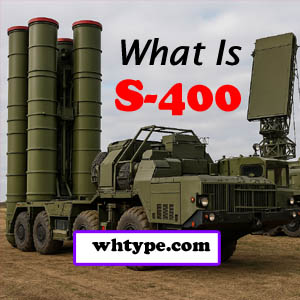
- S-400 Defence System: India’s Shield in the Sky
- S-400 डिफेंस सिस्टम: भारत की आसमान की ढाल
S-400 Defence System: India’s Shield in the Sky
Read In English / हिन्दी में पढ़ें
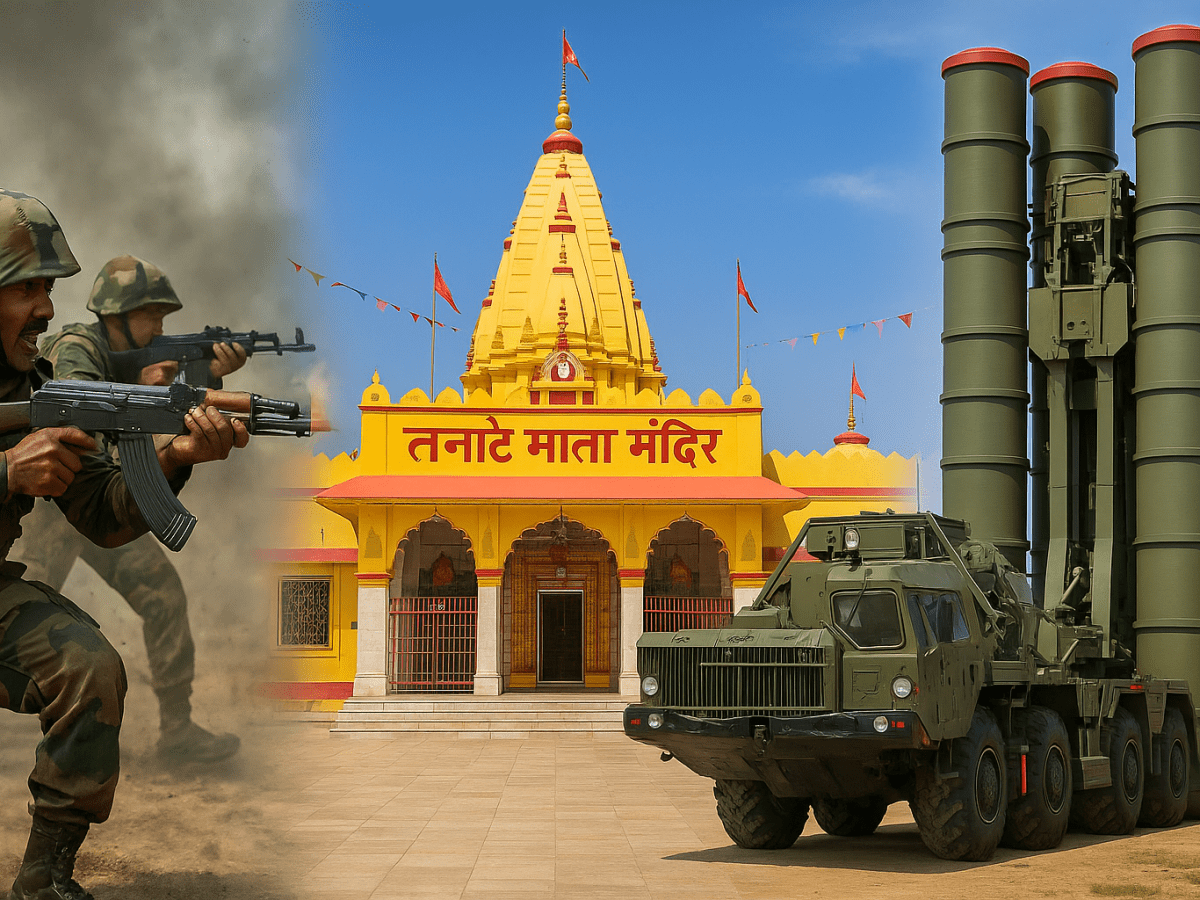
When it comes to modern warfare, air superiority and missile defence are crucial to any nation’s strategic posture. In this domain, India’s acquisition of the S-400 Triumf air defence system from Russia marks a game-changing move. But what makes the S-400 so special, and how is it reshaping India’s defence capabilities? Let’s explore every aspect of this incredible technology.
What is the S-400 Defence System?
The S-400 Triumf (NATO reporting name: SA-21 Growler) is one of the most advanced long-range surface-to-air missile systems (SAMs) in the world. Designed to detect, track, and destroy incoming enemy aircraft, drones, cruise missiles, and even ballistic missiles, the S-400 provides a multi-layered aerial shield against airborne threats.
Who Invented the S-400?
The S-400 was developed by Almaz-Antey, a Russian state-owned defence company. The system was initially introduced into service with the Russian Armed Forces in 2007, as an upgrade to the earlier S-300 system.
It was developed as part of Russia’s push to modernize its military capabilities and defend against fifth-generation stealth aircraft and ballistic missile threats.
Key Features of the S-400 Triumf
The S-400 is not just a missile system — it is a complete air defence ecosystem. Here are some of its standout features:
1. Multiple Missile Compatibility
The S-400 can fire four types of missiles with different ranges:
- 40N6 – Longest range, up to 400 km, targets high-value assets.
- 48N6 – Medium to long range, up to 250 km.
- 9M96E2 – Mid-range, up to 120 km, highly maneuverable.
- 9M96E – Short-range, up to 40 km, for precision targeting.
2. Multi-Target Tracking
Capable of tracking up to 80 targets simultaneously, including stealth aircraft and hypersonic missiles.
3. High-Speed Interception
Interceptors can travel at speeds of Mach 14+, allowing quick reaction time against high-speed threats.
4. 360° Coverage
The radar system provides full dome-shaped detection, ensuring no blind spots in the coverage area.
5. Counter-Stealth Technology
Equipped with high-resolution radar and anti-jamming technology to detect stealth aircraft like the F-35 and drones.
Working Principle: How the S-400 Works
The S-400 operates in a layered defence configuration, providing multiple stages of threat interception:
- Detection and Tracking: The 91N6E Big Bird Radar detects threats from a distance of up to 600 km.
- Command and Control: The central control station analyses the threat and assigns the appropriate missile type.
- Target Engagement: The fire control radar locks onto the target, and the appropriate missile is launched.
- Interception: Using active radar homing or semi-active guidance, the missile tracks and destroys the target in-flight.
The system uses phased-array radar technology, encrypted communications, and advanced signal processing to accurately locate, identify, and neutralize targets with deadly precision.
Why India Acquired the S-400 System
India signed a $5.43 billion deal with Russia in October 2018 to procure five S-400 regiments. This move was driven by several critical defence needs:
- To Counter China: China has already deployed S-400 along the Line of Actual Control (LAC). To maintain strategic parity, India needed matching capability.
- To Deter Pakistan: The S-400 can neutralize any aerial threat from Pakistan, making airstrikes or missile attacks highly risky.
- To Strengthen Defence Doctrine: It supports India’s policy of no-first-use by ensuring the ability to retaliate against a first strike.
Deployment Status in India
The first S-400 unit arrived in India in December 2021, and has been deployed in the Punjab sector to counter threats from Pakistan and western borders. Subsequent units are being strategically placed to cover the northern and eastern fronts, including Arunachal Pradesh and Ladakh.
Challenges and Controversies
- CAATSA Sanctions Threat: The U.S. warned India of potential sanctions under CAATSA (Countering America’s Adversaries Through Sanctions Act) due to arms deals with Russia. However, India has firmly stood by its strategic need.
- Logistics and Training: Due to the system’s complexity, training Indian personnel and integrating the S-400 with India’s existing systems has been a challenge—but one that’s being met.
How S-400 Empowers India’s Defence
- Airspace Domination: No enemy aircraft or missile can enter Indian airspace undetected or unchallenged.
- Strategic Deterrence: The presence of S-400 creates a psychological and tactical deterrent for adversaries.
- Technology Boost: Enhances India’s understanding of advanced radar, missile tech, and electronic warfare.
- Future Compatibility: The system could potentially be integrated with India’s upcoming Ballistic Missile Defence (BMD) system and AI-based command centres.
Conclusion: A Game Changer in Indian Defence
The S-400 Triumf is more than a missile system — it’s a strategic weapon of peace. By securing its skies against a variety of threats, India has taken a bold step towards achieving self-reliant and secure airspace control in an increasingly volatile region.
As India advances toward becoming a global military power, systems like the S-400 are foundational blocks in building an invincible national defence architecture.
S-400 डिफेंस सिस्टम: भारत की आसमान की ढाल
Read In English / हिन्दी में पढ़ें
आज के आधुनिक युद्धों में एयर डिफेंस और मिसाइल रोधी प्रणाली किसी भी देश की सुरक्षा के लिए अत्यंत आवश्यक हो गई है। भारत ने जब से रूस से S-400 Triumf सिस्टम प्राप्त किया है, तब से यह एक गेम चेंजर साबित हुआ है। यह प्रणाली न केवल तकनीकी रूप से अत्याधुनिक है, बल्कि यह भारत की वायु सीमाओं को अभेद्य भी बनाती है। आइए, इसके हर पहलू को विस्तार से समझते हैं।
S-400 क्या है?
S-400 Triumf (NATO नाम: SA-21 Growler) एक लॉन्ग-रेंज सरफेस-टू-एयर मिसाइल डिफेंस सिस्टम (SAM) है, जिसे रूस द्वारा विकसित किया गया है। यह सिस्टम दुश्मन के विमानों, ड्रोन, क्रूज़ मिसाइलों, और यहां तक कि बैलिस्टिक मिसाइलों को भी पहचान कर उन्हें नष्ट करने में सक्षम है।
यह एक मल्टी-लेयर सुरक्षा कवच प्रदान करता है, जिससे दुश्मन की कोई भी हवाई गतिविधि भारत की सीमा तक नहीं पहुंच सकती।
S-400 का आविष्कार किसने किया?
S-400 को रूस की सरकारी रक्षा कंपनी Almaz-Antey ने विकसित किया था। इसे 2007 में पहली बार रूसी सेना में शामिल किया गया था। यह सिस्टम पुराने S-300 सिस्टम का उन्नत संस्करण है।
S-400 की प्रमुख विशेषताएँ (Key Features)
1. मल्टी-मिसाइल लॉन्चिंग क्षमता
S-400 चार अलग-अलग मिसाइलों को लॉन्च कर सकता है:
- 40N6 – 400 किमी तक, हाई वैल्यू टारगेट के लिए
- 48N6 – 250 किमी तक
- 9M96E2 – 120 किमी तक
- 9M96E – 40 किमी तक, कम दूरी के सटीक लक्ष्य के लिए
2. एक साथ कई लक्ष्यों पर नज़र
यह सिस्टम 80 से अधिक टारगेट्स को एक साथ ट्रैक कर सकता है।
3. सुपरफास्ट इंटरसेप्शन
मिसाइलें Mach 14+ (ध्वनि की गति से 14 गुना तेज़) से उड़ सकती हैं।
4. 360 डिग्री कवरेज
इसकी रडार प्रणाली सभी दिशाओं में कवरेज देती है।
5. स्टील्थ विमानों को पकड़ने की क्षमता
F-35 जैसे स्टील्थ फाइटर जेट को भी यह सिस्टम आसानी से पहचान सकता है।
S-400 कैसे काम करता है? (Working Principle)
S-400 की कार्यप्रणाली चार मुख्य चरणों में बंटी होती है:
- डिटेक्शन: 91N6E Big Bird Radar द्वारा दुश्मन की गतिविधियों को 600 किमी दूर से पहचाना जाता है।
- कमांड और कंट्रोल: नियंत्रण कक्ष खतरे का मूल्यांकन करता है और उपयुक्त मिसाइल का चुनाव करता है।
- लॉन्च और लॉक: टारगेट को लॉक कर मिसाइल को लॉन्च किया जाता है।
- इंटरसेप्शन: मिसाइल खुद लक्ष्य को ट्रैक करती है और उड़ान में ही उसे नष्ट कर देती है।
यह प्रणाली एन्क्रिप्टेड कम्युनिकेशन, फेज्ड ऐरे रडार, और स्मार्ट प्रोसेसिंग यूनिट्स से लैस है।
भारत ने S-400 क्यों खरीदा?
भारत ने अक्टूबर 2018 में रूस से $5.43 बिलियन का सौदा किया, जिसमें 5 S-400 यूनिट्स शामिल थीं। इसके पीछे कई महत्वपूर्ण कारण थे:
- चीन का मुकाबला: चीन ने पहले ही S-400 तैनात कर दिया था, भारत को संतुलन बनाए रखने की ज़रूरत थी।
- पाकिस्तान के खिलाफ सुरक्षा: S-400 पाकिस्तान की हवाई हमले की संभावनाओं को लगभग शून्य कर देता है।
- रणनीतिक मजबूती: भारत की नो-फर्स्ट यूज़ नीति को मज़बूती मिलती है।
भारत में S-400 की तैनाती
भारत की पहली S-400 यूनिट दिसंबर 2021 में पंजाब में तैनात की गई। इसके बाद अन्य यूनिट्स को अरुणाचल, लद्दाख, और पश्चिमी सीमाओं पर रखा गया है ताकि हर दिशा से सुरक्षा सुनिश्चित की जा सके।
चुनौतियाँ और विवाद
- CAATSA संकट: अमेरिका ने रूस से रक्षा सौदे पर CAATSA (Countering America’s Adversaries Through Sanctions Act) के तहत प्रतिबंधों की चेतावनी दी थी।
- तकनीकी प्रशिक्षण और एकीकरण: इतने उन्नत सिस्टम को भारत की मौजूदा प्रणाली से जोड़ना एक चुनौती था, लेकिन अब इसे सफलतापूर्वक किया जा रहा है।
भारत को क्या लाभ हुआ? (How It Empowers India)
- एयरस्पेस डोमिनेशन: भारत की वायुसीमा अब पूरी तरह संरक्षित है।
- साइकोलॉजिकल डिटरेंस: दुश्मनों के मन में डर पैदा करता है।
- टेक्नोलॉजिकल एडवांसमेंट: भारत को रडार और इलेक्ट्रॉनिक वॉरफेयर की नई जानकारी मिलती है।
- भविष्य के सिस्टम्स के साथ इंटीग्रेशन: इसे भारत के Ballistic Missile Defence (BMD) से भी जोड़ा जा सकता है।
निष्कर्ष: एक क्रांतिकारी कदम
S-400 Triumf सिर्फ एक मिसाइल सिस्टम नहीं, बल्कि भारत की रणनीतिक सुरक्षा का आधार स्तंभ है। यह भारत को न केवल आत्मनिर्भर बनाता है बल्कि वैश्विक स्तर पर एक शक्तिशाली सैन्य ताकत के रूप में स्थापित करता है।
भारत की वायुसीमा अब पहले से कहीं अधिक सुरक्षित, आधुनिक और ताकतवर हो चुकी है — और इसका श्रेय जाता है S-400 Defence System को।
Learn More








































































 WH Type
Leave a comment