

The Power of Initial Actions: Why Taking the First Step Matters in Business
Every entrepreneur dreams of building something successful, but many get stuck in planning mode. They brainstorm, research, and refine ideas endlessly — yet fail to take the first step. The truth is, action is the real driver of business growth. No matter how brilliant your idea is, without execution, it remains just an idea.
In this article, we’ll explore the power of initial actions in business, why starting small matters, and how a small launch strategy can give you real-world feedback and a competitive edge.
What Does “Initial Action” Mean in Business?
Initial action refers to the very first steps you take to bring your idea to life. It’s the bridge between thought and reality.
Instead of waiting for everything to be perfect, you:
- ✅ Take the first small step.
- ✅ Test your idea in a real environment.
- ✅ Learn and adapt quickly.
SEO Keywords to target: power of action in business, business first steps, small launch strategy, importance of taking action, execution in entrepreneurship
Step 1: Take the First Step
Every great business starts with a single action. That action might be making a phone call, building a landing page, or selling your first product to one customer.
👉 Ideas don’t create businesses — actions do.
Why the first step matters:
- Momentum: Once you start, progress becomes easier.
- Clarity: Action reveals what actually works.
- Confidence: Small wins motivate you to keep moving.
- Opportunity: Execution attracts customers, investors, and partners.
Example: Jeff Bezos started Amazon by selling books online from his garage. The simple action of listing books for sale was the beginning of a global empire.
Step 2: Small Launch for Real-World Feedback
After taking the first step, the best way to grow is to launch small. Instead of spending years building a perfect product, release a basic version to a limited audience.
This strategy is often called a “soft launch” or “minimum viable product (MVP)” in the startup world.
Benefits of a small launch:
- Real Data: See how customers actually use your product.
- Low Risk: Test your idea without huge investment.
- Early Adopters: Build a loyal customer base before going big.
- Continuous Improvement: Use feedback to refine and improve.
Example: Instagram first launched as a simple photo-sharing app with limited features. The small launch gave them user feedback, which helped them evolve into today’s billion-user platform.
How Initial Actions Lead to Success
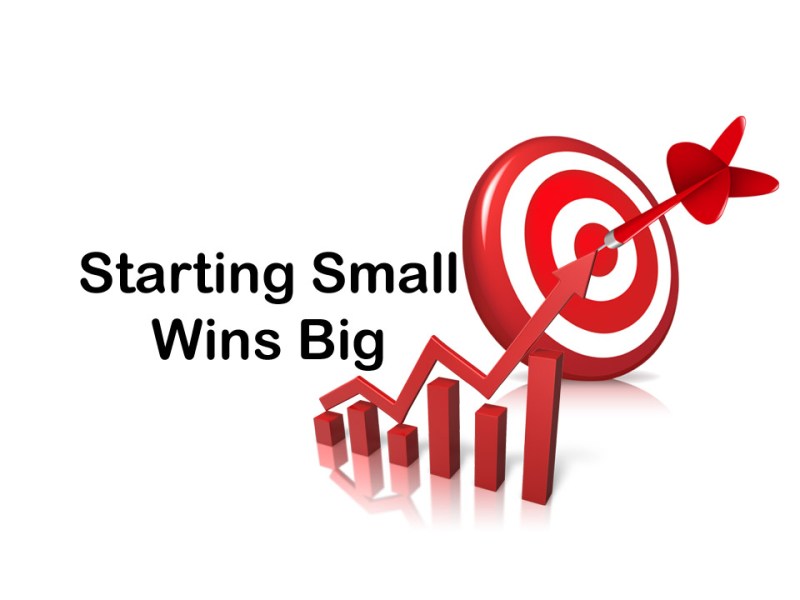
Taking the first step + launching small = faster growth with less risk.
Here’s the formula:
- Think Less, Act More: Action beats overthinking.
- Start Small, Learn Fast: Small launches provide valuable lessons.
- Adjust & Scale: Use feedback to improve and grow.
This is the same approach used by startups, entrepreneurs, and successful small businesses worldwide.
Key Takeaways
- Action is essential — ideas alone won’t create results.
- Take the first step now, even if it’s small.
- A small launch helps you test and refine your business.
- Early feedback is more valuable than months of planning.
- Remember: Success starts with action, not perfection.
Conclusion
The difference between a dreamer and an entrepreneur is action. By taking the first step and following it with a small launch, you transform your idea into a living, breathing business.
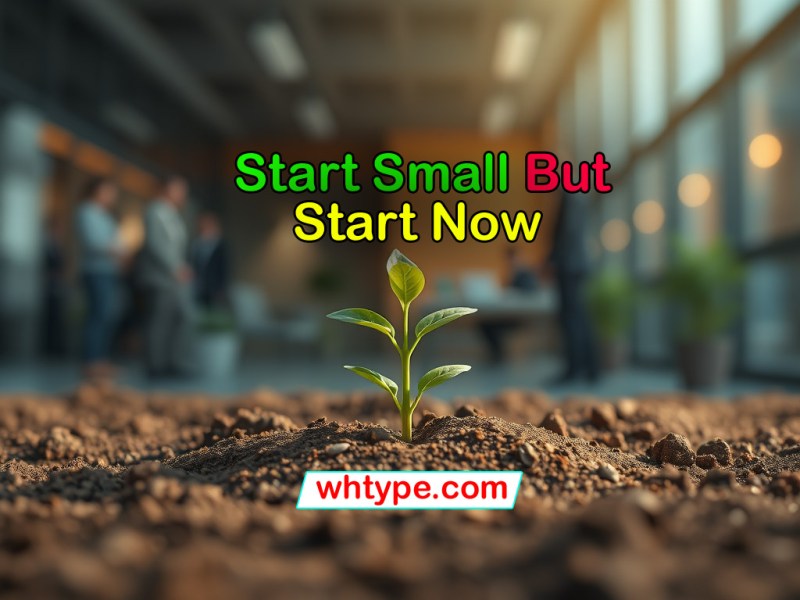
Don’t wait for the “perfect time” — because it will never come. The best time to start is now.
👉 Take action, launch small, learn fast — and watch your business grow.














































 WH Type
Leave a comment