

Carl Linnaeus: Father of Taxonomy
In the history of biological sciences, one man revolutionized the way we classify living organisms—Carl Linnaeus. Known as the “Father of Taxonomy”, Linnaeus introduced the binomial nomenclature system that is still the foundation of scientific naming today. His contributions simplified the study of plants and animals, turning taxonomy into a universal scientific language. This post explores who Carl Linnaeus was, why he is called the Father of Taxonomy, his major works, contributions, and his influence on modern biology.
Who Was Carl Linnaeus?
- Full Name: Carl Linnaeus (Latinized: Carolus Linnaeus; later Carl von Linné)
- Born: 23 May 1707, Råshult, Småland, Sweden
- Died: 10 January 1778, Uppsala, Sweden
- Profession: Botanist, Zoologist, Physician, Taxonomist
- Known as: Father of Taxonomy & Father of Modern Botany
Why Is Linnaeus Called the Father of Taxonomy?
Linnaeus is regarded as the Father of Taxonomy because:
- He created the binomial nomenclature system (naming organisms with two Latin words – Genus and Species).
- He published Systema Naturae (1735), where he classified plants, animals, and minerals.
- He described and named over 12,000 species of plants and animals.
- His system provided a standard scientific naming method used worldwide.
Linnaeus’ Contributions to Taxonomy
1. Binomial Nomenclature
- Before Linnaeus, organisms had long descriptive names.
- Linnaeus introduced a two-word Latin name system.
- Example:
- Human: Homo sapiens
- Mango: Mangifera indica
- Lion: Panthera leo
This system is still in use today.
2. Hierarchical Classification
Linnaeus grouped organisms into nested categories:
- Kingdom
- Class
- Order
- Genus
- Species
This method made taxonomy organized and universal.
3. Famous Works
- Systema Naturae (1735): Classified all living things known at the time.
- Species Plantarum (1753): Marked the official start of plant taxonomy.
- Genera Plantarum (1737): Described plant genera in detail.
4. Legacy in Taxonomy
- His classification formed the basis of modern taxonomy.
- Inspired later biologists, including Charles Darwin.
- Provided a universal language for scientists worldwide.
Important Facts About Carl Linnaeus
- Known as both Father of Modern Botany and Father of Taxonomy.
- First scientist to systematically name humans as Homo sapiens.
- Knighted in 1761 as Carl von Linné.
- His students, known as “Linnaeus’ Apostles,” spread his system globally.
- His influence shaped biology, medicine, zoology, and ecology.
Linnaeus’ Influence on Modern Science
- The International Code of Nomenclature (ICN) for plants and International Code of Zoological Nomenclature (ICZN) are based on Linnaeus’ system.
- His binomial system is still followed in botany, zoology, and microbiology.
- His work bridged ancient classification (Theophrastus, Aristotle) and modern evolutionary biology (Darwin).
FAQs About Carl Linnaeus and Taxonomy
Q1. Who is called the Father of Taxonomy?
Carl Linnaeus.
Q2. Who introduced binomial nomenclature?
Carl Linnaeus in Systema Naturae and Species Plantarum.
Q3. How many species did Linnaeus classify?
More than 12,000 species of plants and animals.
Q4. What are Linnaeus’ most famous books?
Systema Naturae, Species Plantarum, Genera Plantarum.
Q5. What is Linnaeus’ other title?
The Father of Modern Botany.
Conclusion
Carl Linnaeus, the Father of Taxonomy, revolutionized the way scientists classify and name organisms. His binomial nomenclature system brought order, clarity, and universality to biology, making his work one of the greatest milestones in science. Even today, Linnaeus’ legacy continues to guide botanists, zoologists, and biologists across the world.
.
Read More Learn More

Father of Physics – Galileo Galilei
The title “Father of Physics” is often given to Galileo Galilei (1564–1642), the great Italian scientist who revolutionized the way we study nature. He is regarded as one of the…
Keep reading
Who is The Father of Modern Botany
Discover Carl Linnaeus, the Father of Modern Botany. Learn about his contributions, works (Species Plantarum, Systema Naturae), binomial nomenclature, and lasting influence on plant science.
Keep reading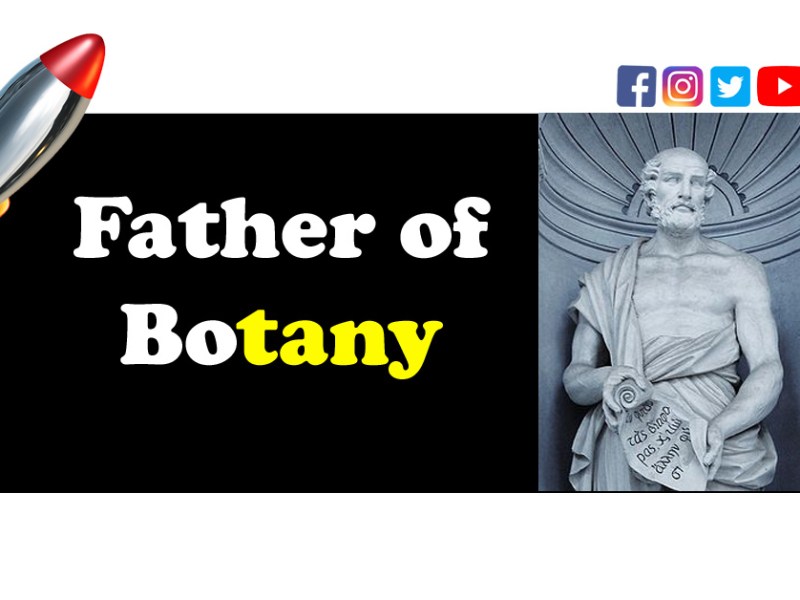
Who is the father of botany
Discover Theophrastus, the Father of Botany. Learn about his contributions, works (Historia Plantarum, De Causis Plantarum), classification of plants, and his lasting influence on plant science.
Keep reading
Who is The Father of Biology
Learn why Aristotle is called the Father of Biology. Discover his contributions, works, discoveries, and lasting influence on science and zoology.
Keep reading






























































 WH Type
Leave a reply to Who is The Father of Modern Botany – WH Type Cancel reply