

Introduction
The Election Commission of India (ECI) is an autonomous constitutional authority responsible for administering elections in India. It ensures free, fair, and transparent elections to the Parliament, State Legislatures, and the offices of the President and Vice President.
History of Election Commission of India
- The Election Commission of India was established on 25 January 1950, one day before India became a Republic.
- It was created under Article 324 of the Constitution of India.
- Initially, the Commission had only one Chief Election Commissioner (CEC).
- In 1989, two Election Commissioners were appointed for the first time, making it a multi-member body. However, this was reversed in 1990.
- Since 1 October 1993, the Commission has been a multi-member body consisting of one Chief Election Commissioner (CEC) and two Election Commissioners (ECs).
- 25th January is celebrated every year as National Voters’ Day.
What is the Election Commission of India?
The Election Commission of India (ECI) is a constitutional body responsible for:
- Conducting elections in India.
- Supervising, directing, and controlling the entire electoral process.
- Ensuring elections are conducted in a free, fair, impartial, and transparent manner.
Structure of the Election Commission of India
- Chief Election Commissioner (CEC) – Head of the Election Commission.
- Two Election Commissioners (ECs) – Assist the CEC.
- The President of India appoints the CEC and ECs.
- They have equal powers, and decisions are taken collectively.
- The Secretariat of the Commission is located in New Delhi.
Functions of the Election Commission of India
The ECI has several important functions, including:
- Conduct of Elections
- Lok Sabha elections.
- Rajya Sabha elections.
- State Legislative Assembly elections.
- State Legislative Council elections.
- Elections for the President and Vice President of India.
- Preparation and Updating of Electoral Rolls
- Ensuring no fraudulent entries.
- Conducting regular revision of voter lists.
- Recognition of Political Parties
- Allotting symbols to political parties.
- Granting recognition as National or State parties.
- Monitoring Model Code of Conduct (MCC)
- Ensuring political parties follow fair practices during elections.
- Voter Awareness and Education
- Organizing Systematic Voters’ Education and Electoral Participation (SVEEP) programs.
- Monitoring Election Expenditure
- Ensuring candidates and parties do not exceed the spending limit.
Powers of the Election Commission of India
The powers of ECI are derived from Article 324 of the Indian Constitution. These include:
- Administrative Powers
- Decide election schedules and dates.
- Supervise the conduct of elections.
- Judicial/Quasi-Judicial Powers
- Settle disputes related to recognition and symbols of political parties.
- Cancel elections in case of malpractices.
- Advisory Powers
- Advising the President/Governor on disqualification of members of Parliament/State Legislatures.
- Enforcement Powers
- Enforcing the Model Code of Conduct.
- Ordering re-poll or countermanding elections in cases of rigging or unfair practices.
Responsibilities of the Election Commission of India
- Conducting free and fair elections across the country.
- Protecting the rights of voters.
- Maintaining integrity, impartiality, and independence in the electoral process.
- Preventing criminalization of politics.
- Ensuring maximum voter participation.
- Using technology and transparency measures to strengthen democracy.
Frequently Asked Questions (FAQs) on Election Commission of India
Q1. When was the Election Commission of India established?
25 January 1950.
Q2. Who appoints the Chief Election Commissioner of India?
The President of India appoints the Chief Election Commissioner.
Q3. How many members are there in the Election Commission of India?
It is a 3-member body – 1 Chief Election Commissioner and 2 Election Commissioners.
Q4. Where is the headquarters of the Election Commission of India?
In New Delhi.
Q5. Who was the first Chief Election Commissioner of India?
Sukumar Sen (1950–1958).
Q6. Which Article of the Indian Constitution deals with the Election Commission?
Article 324.
Q7. What is the tenure of the Chief Election Commissioner?
6 years or until the age of 65 years, whichever is earlier.
Q8. Can the Chief Election Commissioner be removed?
Yes, but only through the process of impeachment, similar to that of a Supreme Court judge.
Q9. What is the role of the Election Commission in political parties?
It grants recognition, allots election symbols, and ensures compliance with electoral laws.
Q10. What is National Voters’ Day and when is it celebrated?
It is celebrated on 25 January every year to encourage voter participation.
Q11. Which elections are conducted by the Election Commission of India?
- Lok Sabha, Rajya Sabha, Legislative Assemblies, Legislative Councils, President, and Vice President.
Q12. What is the Model Code of Conduct (MCC)?
A set of guidelines issued by the ECI to ensure free and fair elections.
Q13. What is SVEEP?
Systematic Voters’ Education and Electoral Participation – a program to create voter awareness.
Q14. How does the ECI control election expenses?
By setting limits and requiring candidates to submit expense statements.
Q15. Why is 25 January celebrated as National Voters’ Day?
Because the ECI was established on 25 January 1950.
Conclusion
The Election Commission of India is the guardian of Indian democracy. It ensures that elections are conducted independently, fairly, and transparently, strengthening the democratic framework of the country. With its powers and responsibilities, the ECI continues to play a vital role in protecting the values of the Indian Constitution.
50 Most Frequently Asked Questions on Election Commission of India (ECI)
1. What is the Election Commission of India?
The Election Commission of India (ECI) is a constitutional authority responsible for administering free and fair elections in India.
2. When was the Election Commission of India established?
The ECI was established on 25 January 1950.
3. Which Article of the Indian Constitution deals with the Election Commission?
Article 324 of the Indian Constitution.
4. Where is the headquarters of the Election Commission of India?
In New Delhi.
5. Who was the first Chief Election Commissioner of India?
Sukumar Sen (1950–1958).
6. How many members are there in the Election Commission of India?
Currently, it has 3 members – one Chief Election Commissioner and two Election Commissioners.
7. Who appoints the Chief Election Commissioner and Election Commissioners?
The President of India appoints them.
8. What is the tenure of the Chief Election Commissioner?
6 years or until the age of 65 years, whichever is earlier.
9. Can the Chief Election Commissioner be removed?
Yes, but only through the process of impeachment by Parliament, similar to a Supreme Court judge.
10. What is the role of the Election Commission in India?
It conducts and supervises elections to Parliament, State Legislatures, and the offices of the President and Vice President.
11. What are the functions of the Election Commission of India?
Conduct elections, prepare electoral rolls, supervise political parties, allot symbols, monitor election expenses, enforce the Model Code of Conduct.
12. Which elections are conducted by the Election Commission of India?
Elections for Lok Sabha, Rajya Sabha, State Legislative Assemblies, State Legislative Councils, President, and Vice President.
13. Does the ECI conduct local body elections?
No, State Election Commissions conduct Panchayat and Municipal elections.
14. What is the Model Code of Conduct (MCC)?
It is a set of guidelines issued by the ECI to regulate political parties and candidates during elections.
15. When does the Model Code of Conduct come into force?
It comes into force from the date of announcement of election schedule.
16. What are the powers of the Election Commission of India?
Administrative, advisory, judicial/quasi-judicial, and enforcement powers related to elections.
17. How does the ECI ensure free and fair elections?
By monitoring election campaigns, controlling expenses, preventing malpractices, and enforcing the MCC.
18. What is National Voters’ Day?
It is celebrated on 25 January every year to encourage voter participation.
19. Who can remove the Chief Election Commissioner of India?
Only Parliament of India through impeachment.
20. How does the ECI recognize political parties?
Based on their performance in elections, ECI grants recognition as National Party or State Party.
21. Who allots symbols to political parties?
The Election Commission of India.
22. What is SVEEP?
Systematic Voters’ Education and Electoral Participation – a program to educate and motivate voters.
23. What is the main responsibility of the ECI?
To conduct free, fair, impartial, and transparent elections.
24. How many Chief Election Commissioners has India had so far?
As of 2025, India has had 25 Chief Election Commissioners since 1950.
25. Can the Election Commission postpone or cancel elections?
Yes, if there is evidence of malpractices, violence, or natural disasters.
26. Does the Election Commission have the power to disqualify candidates?
Yes, it can recommend disqualification to the President or Governor under the law.
27. Which law governs election disputes in India?
The Representation of the People Act, 1951.
28. Can the Election Commission order a re-poll?
Yes, the ECI can order re-polling in affected polling stations if irregularities are found.
29. Who supervises the functioning of the ECI?
The Election Commission is an independent constitutional body, not under government control.
30. How is voter eligibility decided in India?
A person must be an Indian citizen, 18 years or older, and enrolled in the electoral roll of their constituency.
31. Can NRIs (Non-Resident Indians) vote in Indian elections?
Yes, NRIs can vote if they are registered in the electoral roll of their constituency in India.
32. What is VVPAT in elections?
Voter Verifiable Paper Audit Trail – a system that allows voters to verify their vote through a paper slip.
33. What is EVM in elections?
Electronic Voting Machine – a device used to record and count votes electronically.
34. When were EVMs first introduced in Indian elections?
EVMs were first used in 1982 in Kerala on a limited scale.
35. When was VVPAT introduced in Indian elections?
VVPAT was introduced in 2013 during the Nagaland assembly election.
36. Who decides the election schedule in India?
The Election Commission of India decides and announces election schedules.
37. What happens if a candidate overspends election expenses?
The candidate may be disqualified by the ECI under election laws.
38. What is the maximum limit of election expenses for Lok Sabha candidates?
As of 2024, the limit is ₹70 lakh per candidate (may vary by state).
39. What is the maximum limit of election expenses for Assembly candidates?
As of 2024, the limit is ₹28 lakh per candidate (may vary by state).
40. What is the minimum age to contest Lok Sabha elections?
25 years.
41. What is the minimum age to contest Rajya Sabha elections?
30 years.
42. Who conducts elections for the President of India?
The Election Commission of India.
43. Who conducts elections for the Vice President of India?
The Election Commission of India.
44. Can a government official work for election campaigns?
No, government employees are prohibited from participating in election campaigning.
45. What is the role of observers in elections?
The ECI appoints observers to ensure impartiality, monitor expenses, and supervise polling.
46. Can the Election Commission deregister a political party?
Yes, if a party violates election laws or fails to comply with regulations.
47. Does the ECI conduct by-elections?
Yes, it conducts by-elections whenever a seat in Parliament or State Legislature falls vacant.
48. What is the difference between ECI and State Election Commission?
The ECI conducts national and state-level elections, while State Election Commissions conduct local body elections.
49. What is the constitutional status of the Election Commission of India?
It is an independent constitutional body established under Article 324.
50. Why is the Election Commission important?
It safeguards Indian democracy by ensuring free, fair, and transparent elections, upholding the Constitution and voters’ rights.
Read More Learn More
भारत का सामान्य परिचय
भारत दक्षिण एशिया में स्थित एक विशाल संघीय गणराज्य है, जिसमें 28 राज्य और 8 केंद्र शासित प्रदेश हैं। इसकी राजधानी नई दिल्ली है। भारत सबसे बड़ा लोकतांत्रिक देश है,…
Keep reading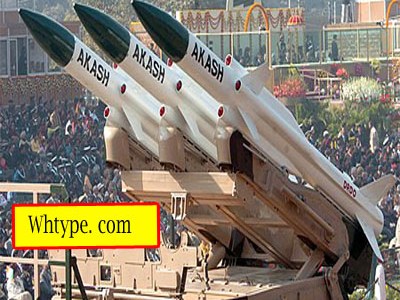
Akash Air Defence System India
✅ Akash Air Defence System – Overview Read In English / हिन्दी में पढ़ें 🔷 Introduction The Akash Air Defence System is an indigenous surface-to-air missile (SAM) system developed by…
Keep reading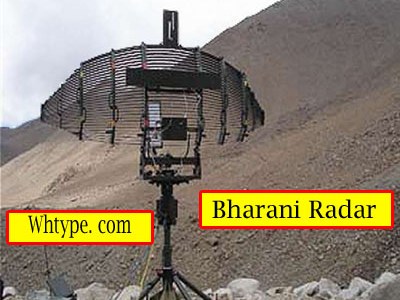
Bharani Radar System India
✅ Bharani Radar – Low-Level Lightweight Radar (LLLR) Read In English/हिन्दी में पढ़ें 🔷 Introduction Bharani Radar is an indigenous low-level lightweight 3D radar developed by DRDO’s LRDE (Electronics and…
Keep reading
Ashwini Radar System India
✅ Ashwini Radar – 3D Low-Level Transportable Radar (LLTR) Read In English / हिन्दी में पढ़ें 🔷 Overview Ashwini Radar is an advanced 3D Low-Level Transportable Radar (LLTR) developed by…
Keep reading
Rohini Radar System India
✅ Rohini Radar – 3D Surveillance Radar System Read In English/ हिन्दी में पढ़ें 🔷 Introduction Rohini Radar is a 3D Medium-Range Surveillance Radar developed by DRDO (Defence Research and…
Keep reading
3D Surveillance Radar-Revathi Radar
✅ Revathi Radar – 3D Naval Surveillance Radar Read In English/हिन्दी में पढे 🔷 Introduction Revathi Radar is an indigenously developed 3D medium-range radar designed by DRDO’s LRDE (Electronics and…
Keep reading
Swordfish – Long Range Tracking Radar (for BMD)
✅ Swordfish Radar – Long Range Tracking Radar for BMD Read In English / हिन्दी में पढ़ें 🔷 Overview Swordfish Radar is a highly advanced Long Range Tracking Radar (LRTR)…
Keep reading
INDRA – Low-level radar india
✅ INDRA – Indian Doppler Radar Read In English/ हिन्दी में पढ़ें 🔷 Full Form INDRA = INdian Doppler Radar 🔷 Introduction INDRA is a low-level surveillance radar system developed…
Keep reading
SMART – Supersonic Missile Assisted Release of Torpedo
✅ SMART – Supersonic Missile Assisted Release of Torpedo Read In English /हिन्दी में पढ़ें 🔷 Introduction SMART is an advanced anti-submarine warfare (ASW) weapon system developed by DRDO (Defence…
Keep reading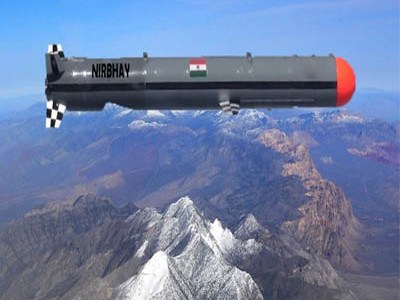
Nirbhay missile of india
Nirbhay – Subsonic Cruise Missile (Developed by India) Read In English/हिन्दी में पढ़ें The Nirbhay missile is India’s first long-range subsonic cruise missile, designed and developed by the DRDO (Defence…
Keep reading
Astra – Air-to-air missile of india
🚀 Astra Missile – India’s Indigenous Air-to-Air Missile Read In English/हिन्दी में पढ़ें Astra is an all-weather beyond-visual-range air-to-air missile (BVRAAM) developed by the Defence Research and Development Organisation (DRDO)…
Keep reading
K Series (SLBMs) – K-15 (Sagarika), K-4, K-5 (Submarine Launch Ballistic Missiles)
K Series Missiles Read In English / हिन्दी में पढ़ें K Series Missiles (SLBMs) – Submarine Launched Ballistic Missiles of IndiaIndia’s K Series is a family of nuclear-capable Submarine-Launched Ballistic…
Keep reading
Shaurya – Surface-to-surface tactical missile
Shaurya – Surface-to-Surface Tactical Missile (India) Read In English/हिन्दी में पढ़ें Shaurya is a canisterized surface-to-surface tactical missile developed by India’s DRDO (Defence Research and Development Organisation). It is capable…
Keep reading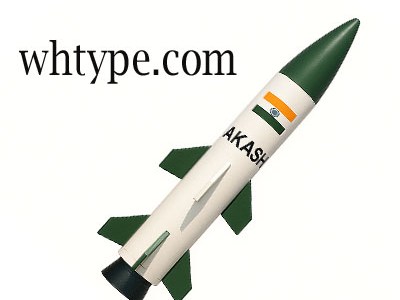
Akash – Surface-to-air missile
🚀 Akash – Surface-to-Air Missile (SAM) Read In English/ हिन्दी में पढ़ें The Akash missile is an indigenous surface-to-air missile (SAM) system developed by DRDO (Defence Research and Development Organisation).…
Keep reading
Nag – Anti-tank guided missile
🚀 Nag – Anti-Tank Guided Missile (ATGM) Read In English / हिन्दी में पढ़ें The Nag missile is an indigenously developed third-generation “fire-and-forget” Anti-Tank Guided Missile (ATGM) designed by the…
Keep reading
Helina / Dhruvastra – Helicopter-launched anti-tank missile
🚁 Helina / Dhruvastra – Helicopter-Launched Anti-Tank Guided Missile (ATGM) – Detailed Overview Read In English/ हिन्दी में पढ़ें The Helina (Helicopter-launched NAG) and its air force variant Dhruvastra are…
Keep reading
Rudram – Anti-radiation missile
🚀 Rudram – India’s Indigenous Anti-Radiation Missile (ARM) Read In English/हिन्दी में पढ़ें Rudram is India’s first indigenously developed Anti-Radiation Missile (ARM), designed to target enemy radar systems, communication hubs,…
Keep reading
QRSAM – Quick Reaction Surface to Air Missile
✅ QRSAM – Quick Reaction Surface to Air Missile Read In English / हिन्दी में पढ़ें 🔷 Introduction QRSAM is an advanced, indigenously developed missile system designed by DRDO (Defence…
Keep reading
VL-SRSAM – Vertical Launch Short Range Surface to Air Missile
✅ VL-SRSAM – Vertical Launch Short Range Surface to Air Missile Read In English/हिन्दी में पढ़ें 🔷 Introduction VL-SRSAM is an advanced Short-Range Surface-to-Air Missile system developed by the Defence…
Keep reading
Prithvi Series – Prithvi-I, II, III (Short-range ballistic missiles)
Read In English / हिन्दी में पढ़ें Prithvi Missile Series – Complete Overview in English The Prithvi missile series is India’s first indigenously developed nuclear-capable ballistic missile system, designed and…
Keep reading
Dhanush – Naval variant of Prithvi
Read In English / हिन्दी में पढ़ें 🚀 Dhanush – Naval Variant of Prithvi Missile Dhanush is the naval version of India’s Prithvi short-range ballistic missile (SRBM), developed by the…
Keep reading
तनोट माता मंदिर
Read In English / हिन्दी में पढ़ें तनोट माता मंदिर तनोट माता मंदिर राजस्थान के जैसलमेर जिले में स्थित एक प्राचीन और अत्यंत पूजनीय हिंदू मंदिर है, जो अपनी चमत्कारी…
Keep reading
Agni Series – Agni-I, II, III, IV, V (Ballistic Missiles Of India)
Read In English / हिन्दी में पढ़ें Agni Series Missiles (India) – Developed by the Defence Research and Development Organisation (DRDO), the Agni missile series is a family of nuclear-capable…
Keep reading
BrahMos – Supersonic Cruise Missile (India-Russia Joint Venture)
Read In English/हिन्दी में पढ़ें The BrahMos missile is one of the fastest and most advanced supersonic cruise missiles in the world. It is a joint venture between India’s DRDO…
Keep reading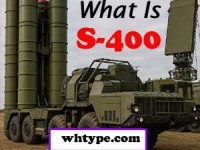
S-400 Defence System: India’s Shield in the Sky
S-400 Defence System: India’s Shield in the Sky Read In English / हिन्दी में पढ़ें When it comes to modern warfare, air superiority and missile defence are crucial to any…
Keep reading
What Is GST And Types Of GST
Introduction to GST (Goods and Services Tax) Read In English / हिन्दी में पढ़ें Goods and Services Tax (GST) is a comprehensive indirect tax reform introduced in India to unify…
Keep reading
शिमला समझौता क्या है : कब और क्यों हुआ था?
शिमला समझौता: कब और क्यों हुआ था? मार्च 1971 में भारत ने सैन्य हस्तक्षेप कर पूर्वी पाकिस्तान को पाकिस्तान से अलग कर दिया और ‘बांग्लादेश’ के नाम से एक नया…
Keep reading










































 WH Type
Leave a reply to Election Commission upsc notes pdf – The Bachchantop Cancel reply