

Introduction
Marriage is often seen as a milestone of love and commitment, but not everyone finds it fulfilling. For many, the reality of married life doesn’t match the expectations, leading to regret. In this article, we’ll explore the top reasons people regret marriage, supported by common relationship challenges, psychological factors, and lifestyle issues.
1. Unrealistic Expectations
Many people enter marriage with high hopes of endless romance, emotional support, and lifelong happiness. When reality sets in, unmet expectations create frustration and regret.
Marriage often suffers when partners carry unrealistic expectations about love, romance, finances, or daily life. Many people assume that marriage will always be like the “honeymoon phase,” but reality brings responsibilities, compromises, and challenges.
Common Unrealistic Expectations
- Expecting your partner to fulfill all emotional needs
- Believing marriage will automatically solve personal or financial issues
- Assuming there will never be conflict or disagreements
- Thinking love alone is enough to sustain a lifelong relationship
Why It’s a Problem
When reality doesn’t match these expectations, couples feel frustrated, disappointed, and resentful. This often becomes one of the leading reasons behind marital stress and even divorce.
Tips to Overcome Unrealistic Expectations
- Communicate Clearly – Share your needs openly and listen to your partner’s.
- Stay Practical – Understand that marriage is about partnership, not perfection.
- Set Realistic Goals – Build shared goals for finances, family, and personal growth.
- Embrace Imperfection – Love grows stronger when you accept flaws.
👉 Takeaway: Healthy marriages are built on realistic expectations, compromise, and continuous effort.
2. Loss of Personal Freedom
Marriage often requires compromises in lifestyle, hobbies, friendships, and even career choices. People who value independence may feel trapped, leading to regrets.
One of the common regrets people express after marriage is the loss of personal freedom. While marriage brings love and companionship, it also introduces responsibilities, shared decision-making, and compromises that can make individuals feel restricted.
How Marriage Affects Freedom
- Less time for personal hobbies or solo activities
- Need to consult partner before major decisions
- Limited independence in finances and lifestyle choices
- Pressure from family or society influencing personal space
Why It Matters
A sense of losing individuality can lead to resentment, frustration, or identity crisis in the long run. Many couples struggle when they feel their personal lives are overshadowed by marital duties.
Tips to Maintain Personal Freedom in Marriage
- Set Boundaries – Respect each other’s need for space and independence.
- Pursue Hobbies – Keep engaging in activities that define your individuality.
- Communicate Needs – Express your desire for “me time” without guilt.
- Balance Togetherness & Independence – Healthy marriages thrive when both partners feel free yet connected.
👉 Takeaway: A strong marriage is not about losing freedom, but about creating a partnership where love and individuality coexist.
3. Financial Stress
One of the biggest reasons couples struggle is money. Differences in spending habits, debt, and financial goals can create tension, making individuals wish they had stayed single.
Money is one of the top reasons couples argue and even separate. Financial stress in marriage arises from debt, unequal incomes, overspending, or lack of financial planning. When not managed well, money problems can create resentment, mistrust, and long-term unhappiness.
Common Causes of Financial Stress
- Debt burden (loans, credit cards, EMIs)
- Unequal earning power between partners
- Different spending habits or money values
- Lack of budgeting and saving
- Unexpected financial emergencies
Why It Damages Marriages
Financial disagreements can lead to:
- Frequent fights and blame games
- Feeling of power imbalance (one earns more, one spends more)
- Emotional distance due to financial insecurity
Tips to Manage Financial Stress in Marriage
- Create a Joint Budget – Track income, expenses, and savings together.
- Be Transparent – Share debts, loans, and financial responsibilities honestly.
- Divide Responsibilities – One may manage bills while the other handles savings.
- Plan Long-Term – Invest in goals like home, children’s education, or retirement.
- Seek Expert Help – A financial advisor can help avoid stress and conflicts.
👉 Takeaway: Financial stability is not about how much you earn, but how openly and wisely you manage money as a couple.
4. Lack of Emotional Connection
Over time, couples may feel emotionally disconnected. When communication breaks down, love fades, and misunderstandings increase, marriage begins to feel like a burden.
A healthy marriage is built on more than just living together—it thrives on emotional intimacy. When couples stop sharing their feelings, dreams, and vulnerabilities, they begin to experience a lack of emotional connection. Over time, this can make partners feel lonely even within the relationship.
Signs of Emotional Disconnection
- Conversations are limited to daily chores or responsibilities
- Rarely share feelings, fears, or dreams
- Physical intimacy decreases
- One or both partners feel unheard or misunderstood
- Spending more time apart than together
Why Emotional Connection Matters
Without emotional intimacy, marriages often face:
- Increased conflicts and misunderstandings
- Loneliness within the relationship
- Higher risk of infidelity or separation
- Decline in overall relationship satisfaction
Tips to Rebuild Emotional Connection
- Prioritize Quality Time – Schedule activities like dinner dates or walks without distractions.
- Practice Active Listening – Show genuine interest when your partner speaks.
- Express Gratitude Daily – Small words of appreciation strengthen emotional bonds.
- Be Vulnerable – Share your feelings honestly instead of bottling them up.
- Seek Counseling if Needed – A therapist can help reopen lines of emotional intimacy.
👉 Takeaway: Marriage is not just about staying under one roof—it’s about staying connected at heart.
5. Infidelity and Trust Issues
Cheating or constant suspicion of infidelity destroys the foundation of trust. Many people regret marriage after experiencing betrayal.
Infidelity and broken trust are among the most painful challenges in any marriage. When one partner cheats—whether emotionally or physically—it shatters the foundation of honesty and security in the relationship. Even small acts of dishonesty, like hiding financial details or lying about personal matters, can lead to serious trust issues.
Causes of Infidelity and Trust Issues
- Lack of emotional intimacy in the marriage
- Unmet needs (emotional, physical, or sexual)
- Communication breakdown between partners
- Temptation and opportunity in modern lifestyles
- Past experiences of betrayal or insecurity
Effects on Marriage
- Constant doubt and suspicion
- Loss of respect for the cheating partner
- Frequent arguments and emotional pain
- Feelings of betrayal, anger, and depression
- Higher risk of separation or divorce
Tips to Overcome Infidelity and Rebuild Trust
- Honest Confession – The unfaithful partner must admit the truth and take responsibility.
- Open Communication – Talk about what led to the betrayal without blame games.
- Set Clear Boundaries – Both partners should agree on rules to prevent further betrayal.
- Seek Professional Help – Couples therapy can guide in rebuilding trust.
- Be Patient – Healing takes time; trust can only be rebuilt through consistent honesty and effort.
👉 Takeaway: Trust is the backbone of marriage. Once broken, it is difficult—but not impossible—to rebuild with sincerity, patience, and mutual effort.
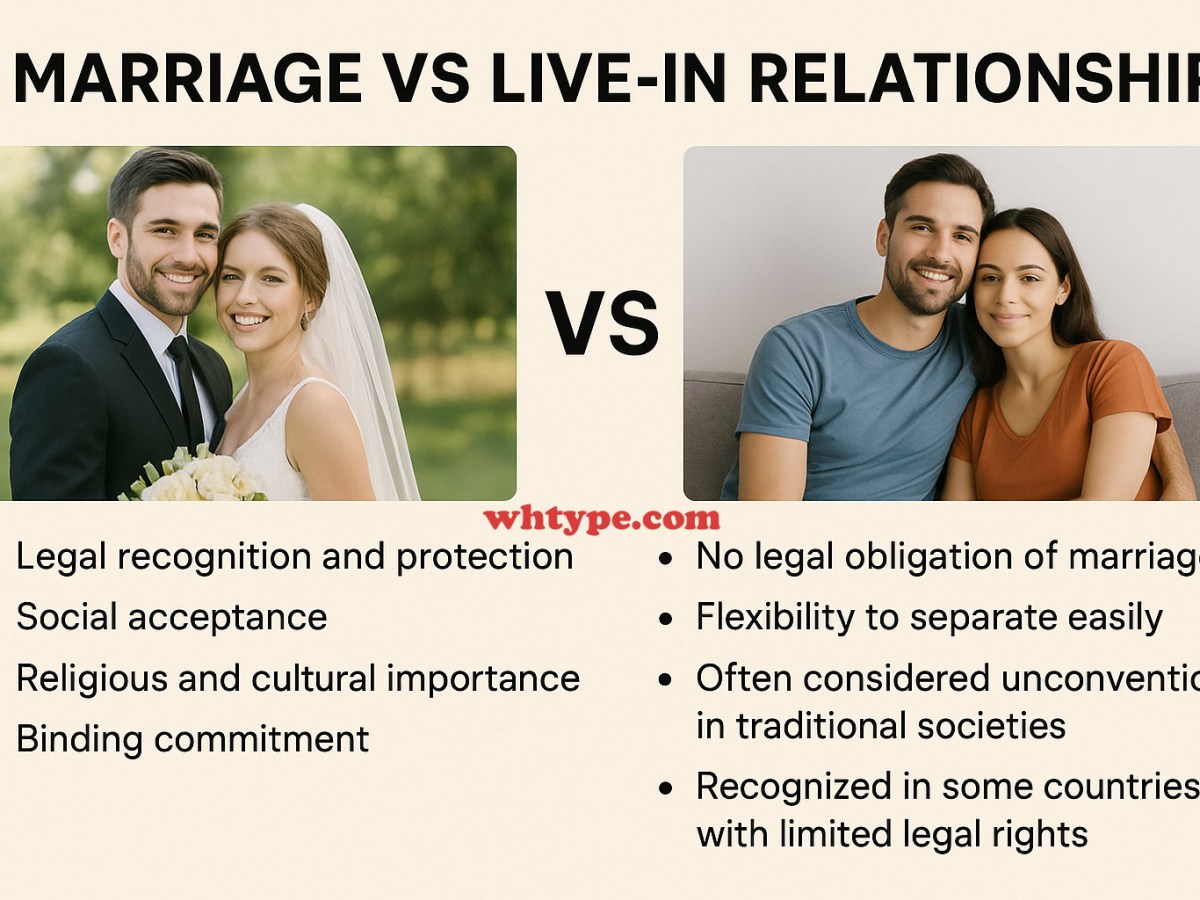
Also Read : Marriage vs Live-in Relationship: A Complete Comparison
6. Incompatibility
Sometimes, differences in values, lifestyle, religion, or goals become clear only after marriage. This incompatibility leads to constant conflict and regret.
Incompatibility is one of the most common reasons couples regret marriage. It doesn’t always mean one partner is wrong—it simply means that their personalities, values, or life goals don’t align. In the beginning, differences may feel exciting, but over time, they can cause conflict and distance.
Common Types of Incompatibility
- Lifestyle Differences – One partner loves socializing, the other prefers staying home.
- Financial Habits – Conflicts over spending vs. saving.
- Cultural or Religious Beliefs – Different traditions and values causing disagreements.
- Career vs. Family Priorities – Disagreements about work-life balance.
- Parenting Styles – Opposing views on how to raise children.
Effects of Incompatibility in Marriage
- Constant arguments and frustrations
- Feeling unsupported or misunderstood
- Emotional distance despite living together
- Loss of long-term vision as a couple
- Higher chance of separation or divorce
Tips to Manage Incompatibility
- Identify Core vs. Minor Differences – Focus on what truly matters.
- Practice Compromise – Find middle ground where both feel respected.
- Strengthen Common Interests – Build activities around shared passions.
- Respect Each Other’s Individuality – Don’t try to “fix” your partner.
- Seek Counseling – Professional help can provide tools for managing differences.
👉 Takeaway: Every couple has differences, but healthy communication and mutual respect can help manage incompatibility before it turns into regret.
7. Pressure from Society or Family
Many people marry due to cultural, family, or social pressure. Later, they regret the decision when they realize it wasn’t made by choice.
Marriage is often celebrated as a personal choice, but in reality, societal and family pressures play a huge role in shaping it. Many people marry not because they are ready, but because of expectations from parents, relatives, or cultural traditions. Over time, this external pressure can lead to dissatisfaction and regret.
How Society and Family Create Pressure
- Cultural Expectations – Marrying at a “right age” to avoid social judgment.
- Parental Influence – Choosing a partner based on family approval rather than personal compatibility.
- Comparison with Others – Constant pressure to “settle down” because friends or relatives are married.
- Gender Roles – Expectations about how husbands or wives “should behave.”
- Stigma of Staying Single – Fear of criticism for not marrying.
Negative Effects of Family and Social Pressure
- Entering marriage without true readiness or desire
- Feeling trapped in a relationship not chosen freely
- Loss of personal identity and freedom
- Strain on the marriage due to external interference
- Long-term regret or emotional dissatisfaction
Tips to Handle Social and Family Pressure
- Know Your Readiness – Don’t marry until you personally feel prepared.
- Communicate Clearly – Share your feelings honestly with family about your choices.
- Set Healthy Boundaries – Politely resist external control over personal matters.
- Prioritize Compatibility – Focus on a partner who matches your values, not just family expectations.
- Seek Supportive Circles – Surround yourself with friends or mentors who respect your independence.
👉 Takeaway: Marriage should be a personal decision, not a product of social pressure. True happiness in marriage comes when you marry for love and compatibility—not for the approval of others.
Also Read : Side Effects of Marriage: Why You Should Not Marry?
8. Domestic Responsibilities and Stress
Marriage often brings new responsibilities—household chores, parenting, or managing in-laws. These pressures can feel overwhelming, especially when shared unfairly.
One of the biggest hidden challenges in marriage is the division of domestic responsibilities. Cooking, cleaning, childcare, financial management, and household maintenance can become overwhelming when not shared equally. Over time, this imbalance often leads to stress, resentment, and conflicts between partners.
Common Causes of Stress in Domestic Responsibilities
- Unequal Workload – One partner doing most of the household chores.
- Lack of Appreciation – Efforts go unnoticed, creating frustration.
- Gender Role Expectations – Traditional beliefs about “who should do what.”
- Time Management Issues – Balancing jobs, children, and housework.
- Financial Pressure – Bills, EMIs, and childcare costs adding to daily stress.
Negative Effects on Marriage
- Frequent arguments and fights about chores and responsibilities
- Emotional burnout from constant work without support
- Decreased intimacy and bonding due to stress
- Long-term feelings of resentment and unfairness
- Risk of one partner feeling taken for granted
Tips to Manage Domestic Responsibilities and Reduce Stress
- Divide Chores Fairly – Share tasks based on time, ability, and preference.
- Create a Schedule – Set weekly plans for household duties.
- Use Technology – Rely on appliances and apps to reduce workload.
- Appreciate Each Other – A simple “thank you” can reduce resentment.
- Hire Help if Possible – Domestic workers or babysitters can ease stress.
- Communicate Openly – Talk about what feels overwhelming before it turns into conflict.
👉 Takeaway: A happy marriage depends on teamwork at home. Sharing domestic responsibilities not only reduces stress but also strengthens mutual respect and partnership.
9. Decline in Romance and Intimacy
Romantic passion often fades with time. When couples don’t nurture intimacy, marriage feels more like a duty than a partnership.
One of the most common reasons couples regret marriage is the decline in romance and intimacy over time. In the early years, partners are often deeply affectionate, but as responsibilities grow—work, children, finances—emotional and physical intimacy can fade. This lack of closeness often leads to feelings of loneliness, dissatisfaction, and emotional distance within marriage.
Causes of Decline in Romance
- Routine and Monotony – Daily life becoming predictable with no excitement.
- Stress and Fatigue – Work pressure, family responsibilities, and financial burdens reducing desire.
- Lack of Communication – Avoiding discussions about needs and desires.
- Unresolved Conflicts – Old arguments creating emotional distance.
- Neglect of Emotional Connection – Focusing on practical life more than relationship bonding.
Negative Effects on Marriage
- Emotional disconnection between partners
- Increased frustration and resentment
- Decreased physical intimacy and passion
- Higher chances of infidelity or seeking affection outside marriage
- Long-term relationship dissatisfaction
Tips to Rekindle Romance and Intimacy
- Prioritize Couple Time – Set aside time for date nights or weekend getaways.
- Express Affection Daily – Small gestures like hugs, compliments, and holding hands matter.
- Communicate Desires Openly – Talk about emotional and physical needs without hesitation.
- Surprise Each Other – Break monotony with unexpected gifts, outings, or thoughtful acts.
- Resolve Conflicts Quickly – Don’t let unresolved issues become barriers to intimacy.
- Focus on Self-Care – When both partners feel good about themselves, attraction naturally improves.
👉 Takeaway: Romance doesn’t disappear on its own—it fades when couples stop nurturing it. A healthy marriage requires consistent effort, communication, and emotional closeness to keep the spark alive.
Also Read : Side Effects of Marriage: Why You Should Not Marry?
10. Mental and Emotional Health Impact
Toxic marriages can lead to stress, anxiety, and depression. Many regret tying the knot when their mental health starts deteriorating.
Marriage is often seen as a source of emotional support and happiness, but when it turns toxic or unfulfilling, it can significantly harm mental and emotional health. Many people who regret marriage report issues like chronic stress, anxiety, depression, and low self-esteem due to ongoing conflicts, lack of intimacy, or constant pressure.
How Marriage Problems Affect Mental Health
- Chronic Stress – Continuous arguments and responsibilities create constant mental strain.
- Anxiety and Worry – Fear of losing the relationship, financial insecurity, or betrayal increases anxiety.
- Depression – Emotional neglect, loneliness, or lack of support may lead to long-term sadness.
- Sleep Problems – Stress and fights often disrupt sleep, worsening mental health.
- Loss of Identity – Some individuals feel they’ve lost their individuality, leading to emptiness.
Emotional Consequences in a Troubled Marriage
- Feeling trapped or helpless in the relationship
- Constant emotional exhaustion
- Decreased self-worth and confidence
- Lack of peace of mind and happiness
- Strained relationships with children, family, or friends
Tips to Protect Your Mental & Emotional Health
- Set Boundaries – Don’t let marital stress consume your entire life.
- Communicate Honestly – Share your feelings with your partner instead of bottling them up.
- Practice Stress Relief – Meditation, journaling, or physical activity can reduce anxiety.
- Seek Professional Help – Couples therapy or individual counseling can provide guidance.
- Focus on Self-Care – Prioritize your own happiness, hobbies, and social life.
- Know When to Step Away – Sometimes leaving a toxic marriage is healthier than staying.
👉 Takeaway: A troubled marriage doesn’t just affect the relationship—it deeply impacts mental and emotional well-being. Protecting your mind and emotions should always come first, even within marriage.
Also Read : Advantages of Staying Single – Why Being Single Can Be the Best Choice
Conclusion
While marriage can bring love and companionship, it is not always the happily-ever-after many imagine. From financial stress and lack of intimacy to loss of freedom and societal pressure, these are the top reasons people regret marriage.
👉 Before deciding to marry, it’s important to evaluate expectations, compatibility, and personal readiness. Marriage should be a choice made with clarity, not pressure.
More For You :
- How to Get Married in USA – Complete State-by-State & City Guide
- Side Effects of Marriage: Why You Should Not Marry?
- “Marriage vs Live-in Relationship”
- Advantages of Staying Single – Why Being Single Can Be the Best Choice
Explore More on WHTYPE Blog :
















Something went wrong. Please refresh the page and/or try again.

















































 WH Type
Leave a reply to Advantages of Staying Single – Why Being Single Can Be the Best Choice – WH Type Cancel reply