

In the rapidly evolving landscape of global health, it’s critical to be aware of the pressing health issues that affect millions around the world. This awareness not only fosters personal well-being but also contributes to broader public health initiatives. In this post, we delve into the top 10 health issues facing societies in near future, exploring their causes, implications, and potential solutions.
1. Cardiovascular Disease
Cardiovascular diseases remain the leading cause of death globally, accounting for approximately 31% of all deaths. Risk factors include hypertension, high cholesterol, obesity, smoking, and physical inactivity. Promoting heart health through regular exercise, a balanced diet, and routine health screenings is essential.

2. Diabetes
Diabetes affects 422 million people worldwide. This chronic disease can lead to severe health complications if not managed properly. Understanding the difference between Type 1 and Type 2 diabetes is crucial, as is the emphasis on lifestyle changes—such as nutrition, exercise, and regular medical check-ups—to prevent or manage diabetes effectively.

3. Obesity
The prevalence of obesity has tripled since 1975, making it a significant public health crisis. Obesity leads to a variety of health issues, including heart disease, diabetes, and certain cancers. Addressing obesity requires a multifaceted approach, focusing on healthier eating habits, physical activity, and community support programs.

4. Mental Health Disorders
Mental health issues are on the rise, with anxiety and depression being particularly prevalent. According to the World Health Organization (WHO), about 1 in 8 people globally experiences a mental disorder. Increasing awareness and reducing stigma around mental health, along with enhancing access to mental health services, are vital steps toward improvement.

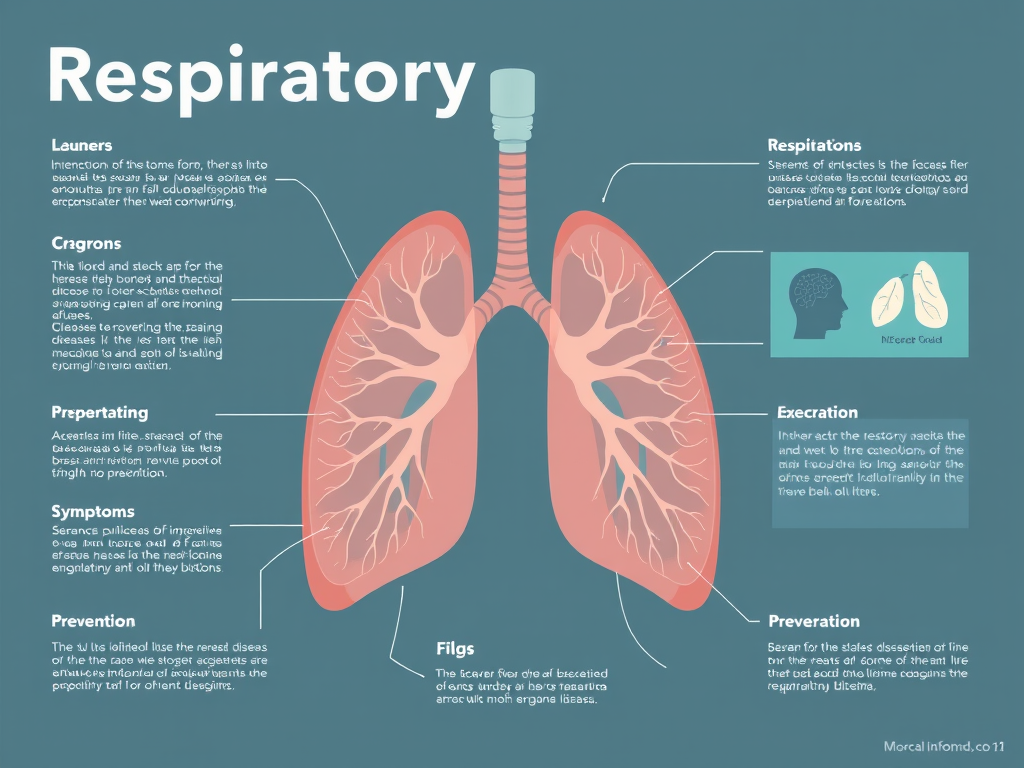
5. Respiratory Diseases
Chronic respiratory diseases, including asthma and chronic obstructive pulmonary disease (COPD), affect millions and are often exacerbated by smoking, pollution, and occupational hazards. Public health campaigns aimed at reducing smoking rates and cleaning up air quality can help mitigate these issues.
6. Cancer
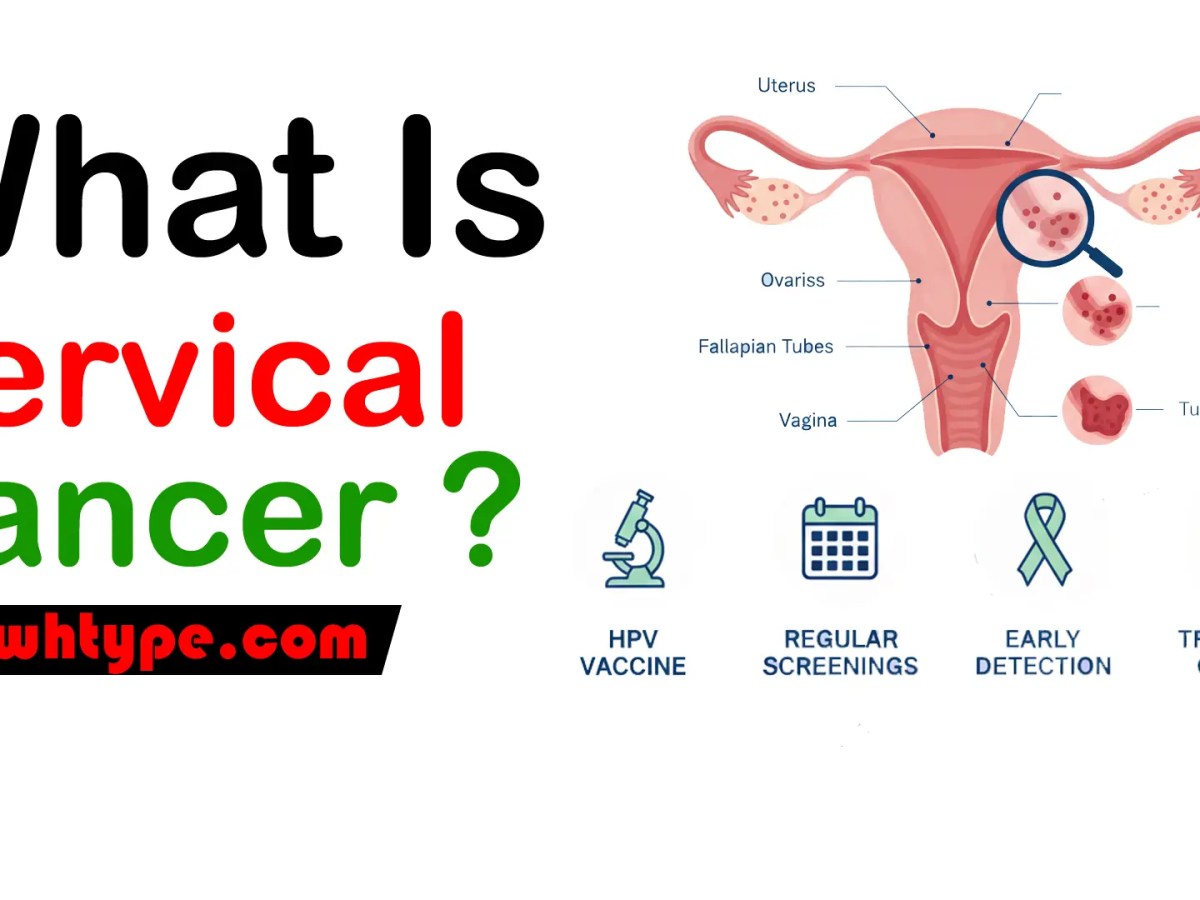
Cancer remains one of the most challenging health issues, affecting various demographics and presenting with numerous types. Early detection through regular screenings and advancements in treatment options are essential for reducing mortality rates linked to malignancies.

7. Infectious Diseases
Despite advancements in medicine, infectious diseases continue to pose significant threats, as seen with the COVID-19 pandemic. Vaccination, antimicrobial resistance, and global surveillance are critical components in combating these diseases and preventing outbreaks.

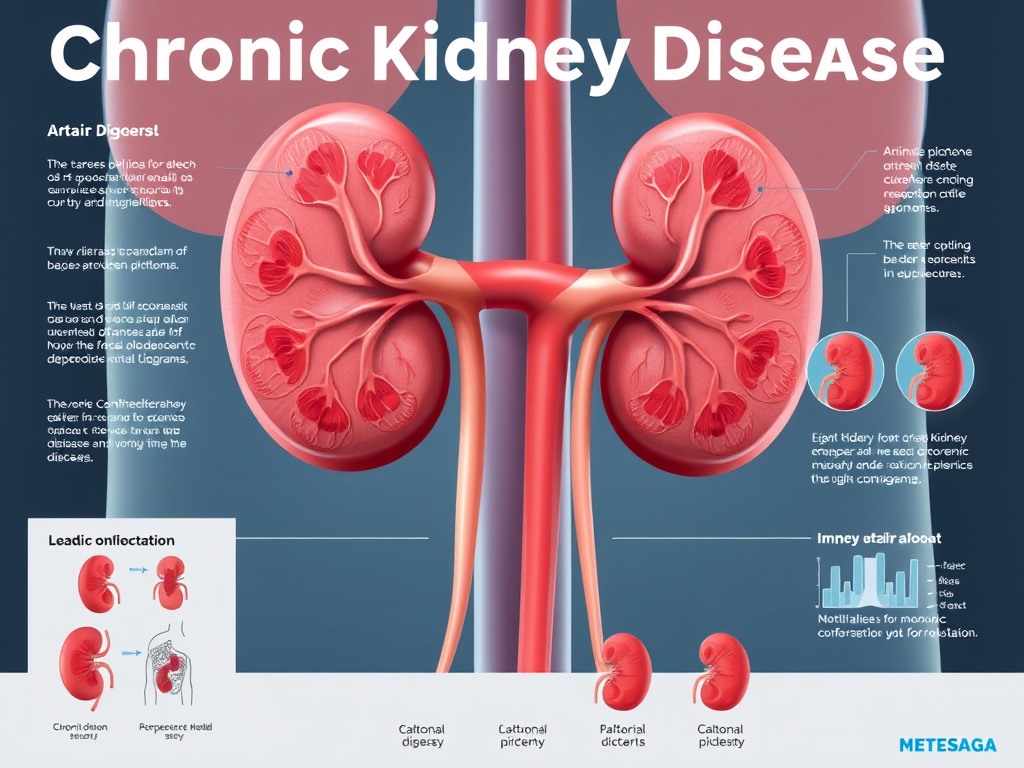
8. Chronic Kidney Disease
Chronic kidney disease (CKD) is a growing concern, often linked to diabetes and hypertension. Early detection and management can significantly improve patient outcomes. Promoting kidney health through education on risk factors and lifestyle choices is crucial.
9. HIV/AIDS
While significant progress has been made in the treatment and prevention of HIV/AIDS, it remains a global health issue, particularly in low- and middle-income countries. Comprehensive education and access to prevention, testing, and treatment remain crucial to combating this disease.

10. Substance Abuse
Substance abuse, including alcohol and drug addiction, poses serious health risks, contributing to a range of physical and mental health issues. Community support, access to rehabilitation services, and preventive education are integral to addressing this ongoing crisis.

Conclusion
Awareness of these top 10 health issues is essential for individuals, communities, and policymakers. By prioritizing health education, advocating for policy changes, and supporting healthcare initiatives, we can work toward a healthier future for all. Addressing these challenges head-on not only improves individual health but also strengthens our collective well-being.
Must Read :



























































 WH Type
Leave a comment