
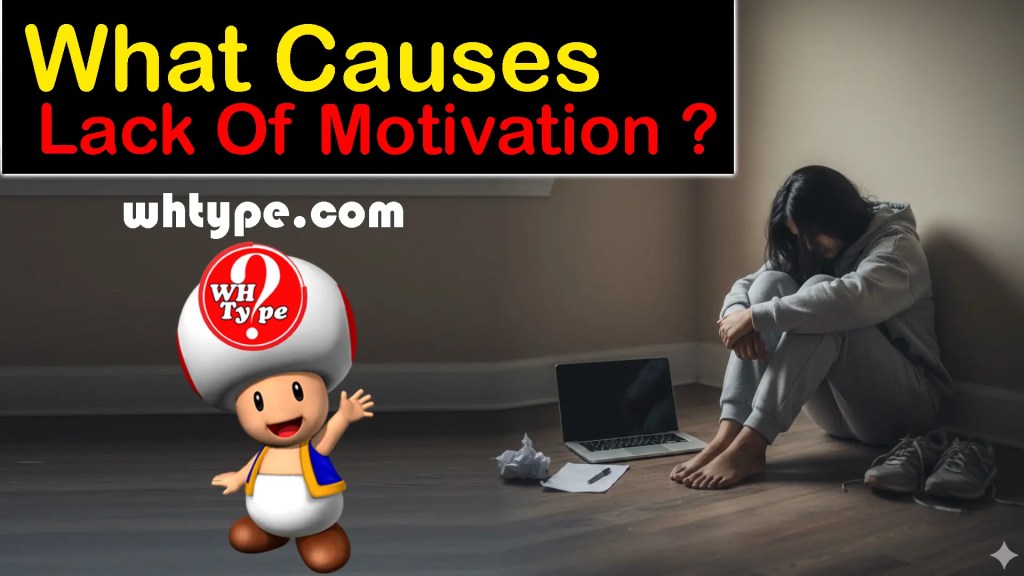
Motivation is the invisible force that pushes us to wake up early, chase goals, work consistently, and improve our lives. Yet almost everyone experiences periods where motivation completely disappears. You may know what you should do, why you should do it, and even how to do it—but still feel no drive to start.
This article is a complete, psychology‑backed, real‑life guide to understanding what causes lack of motivation, why it happens, how it affects your mind and body, and what you can realistically do about it.
This post is written for search intent and human understanding, making it ready to paste directly into WordPress (whtype.com).
Table of Contents
- What Is Motivation?
- What Does Lack of Motivation Mean?
- Why Motivation Is Not Constant
- Psychological Causes of Lack of Motivation
- Emotional Causes of Low Motivation
- Mental Health–Related Causes
- Physical & Biological Causes
- Lifestyle Causes of Motivation Loss
- Environmental & Social Causes
- Work, Career & Academic Causes
- Digital Overload & Modern Life Factors
- Habit‑Related Causes
- Personality & Identity‑Based Causes
- Childhood & Past Experience Factors
- Short‑Term vs Long‑Term Motivation Loss
- Signs and Symptoms of Lack of Motivation
- Effects of Chronic Lack of Motivation
- Why Motivation Feels Harder as You Grow Older
- Motivation vs Discipline vs Willpower
- When Lack of Motivation Becomes Dangerous
- Myths About Motivation
- Real‑Life Examples of Motivation Loss
- Can You Be Successful Without Motivation?
- How Motivation Naturally Returns
- FAQs: All W & H Type Questions About Lack of Motivation
1. What Is Motivation?
Motivation is the internal or external drive that initiates, guides, and sustains goal‑oriented behavior. It answers three basic questions:
- Why do I start something?
- Why do I continue it?
- Why do I stop?
Motivation can be:
- Intrinsic – driven by interest, passion, or enjoyment
- Extrinsic – driven by rewards, money, recognition, or fear
Both types are important, but when either weakens, motivation declines.
2. What Does Lack of Motivation Mean?
Lack of motivation does not mean laziness.
It means:
- You feel mentally stuck
- You avoid starting tasks
- You procrastinate even on important things
- You feel tired before even beginning
- You lose interest quickly
In simple words, your mind refuses to cooperate, even when logic says you should act.
3. Why Motivation Is Not Constant
Motivation is not a permanent state. It naturally rises and falls due to:
- Brain chemistry changes
- Emotional fluctuations
- Physical energy levels
- Stress and pressure
- Life circumstances
Expecting constant motivation is unrealistic. The real problem begins when low motivation becomes chronic.
4. Psychological Causes of Lack of Motivation
4.1 Fear of Failure
Fear of failing stops action before it starts. The brain tries to protect you from disappointment by avoiding effort.
Common thoughts include:
- “What if I fail?”
- “What if I’m not good enough?”
- “What if people judge me?”
4.2 Fear of Success
Success brings responsibility, expectations, and pressure. Some people subconsciously avoid motivation to avoid change.
4.3 Low Self‑Esteem
When you don’t believe in yourself, motivation collapses.
Low self‑esteem creates thoughts like:
- “I can’t do this”
- “Others are better than me”
- “There’s no point trying”
4.4 Overthinking
Excessive thinking leads to analysis paralysis. When the brain overanalyzes every step, action stops completely.
5. Emotional Causes of Low Motivation
5.1 Emotional Exhaustion
Suppressed emotions drain energy. You may look fine externally but feel empty inside.
5.2 Unprocessed Trauma
Past emotional pain, rejection, or loss can reduce motivation as a survival response.
5.3 Chronic Stress
Stress keeps the body in survival mode, leaving no energy for growth‑oriented actions.
6. Mental Health–Related Causes
6.1 Depression
One of the strongest causes of motivation loss.
Symptoms include:
- Loss of interest
- Low energy
- Hopelessness
- Mental heaviness
6.2 Anxiety Disorders
Constant worry drains mental energy, making even simple tasks feel overwhelming.
6.3 ADHD
People with ADHD struggle with motivation regulation, not desire.
7. Physical & Biological Causes
7.1 Lack of Sleep
Sleep deprivation directly reduces dopamine—the motivation chemical.
7.2 Poor Nutrition
Low protein, vitamin deficiencies, and dehydration reduce brain performance.
7.3 Hormonal Imbalances
Low testosterone, thyroid problems, or cortisol imbalance can reduce drive.
7.4 Chronic Illness
Physical discomfort constantly competes for attention, lowering motivation.
8. Lifestyle Causes of Motivation Loss
8.1 Sedentary Lifestyle
No movement = low energy = low motivation.
8.2 Lack of Routine
An unstructured day increases decision fatigue and procrastination.
8.3 Poor Time Management
Feeling behind creates guilt, which further kills motivation.
9. Environmental & Social Causes
9.1 Negative Environment
Toxic people, criticism, and constant negativity drain motivation.
9.2 Lack of Support
Humans are social beings. Isolation weakens drive.
9.3 Comparison Culture
Social media comparison creates unrealistic standards and demotivation.
10. Work, Career & Academic Causes
10.1 Burnout
Burnout is extreme mental and emotional exhaustion caused by prolonged stress.
10.2 Lack of Purpose
Working without meaning feels pointless.
10.3 Unrealistic Goals
Overwhelming goals paralyze action.
11. Digital Overload & Modern Life Factors
Constant notifications, scrolling, and information overload hijack attention and reduce motivation.
Dopamine overload from short‑term pleasure reduces tolerance for effort.
12. Habit‑Related Causes
Bad habits silently destroy motivation:
- Late‑night phone usage
- Irregular sleep
- Junk food
- Excessive screen time
13. Personality & Identity‑Based Causes
13.1 Perfectionism
Perfectionists avoid starting to avoid imperfect outcomes.
13.2 Fixed Mindset
Believing abilities cannot improve kills motivation.
14. Childhood & Past Experience Factors
Childhood criticism, pressure, or lack of encouragement shapes adult motivation patterns.
15. Short‑Term vs Long‑Term Motivation Loss
- Short‑term: fatigue, stress, temporary disappointment
- Long‑term: depression, burnout, identity conflict
16. Signs and Symptoms of Lack of Motivation
- Constant procrastination
- Avoidance behavior
- Mental fog
- Loss of excitement
- Emotional numbness
17. Effects of Chronic Lack of Motivation
- Missed opportunities
- Poor mental health
- Low self‑confidence
- Career stagnation
- Relationship problems
18. Why Motivation Feels Harder as You Grow Older
Responsibilities increase, novelty decreases, and stress accumulates.
19. Motivation vs Discipline vs Willpower
Motivation starts action.
Discipline sustains it.
Willpower supports both—but is limited.
20. When Lack of Motivation Becomes Dangerous
If motivation loss is accompanied by:
- Hopelessness
- Suicidal thoughts
- Complete withdrawal
Professional help is necessary.
21. Myths About Motivation
- Motivation comes first ❌
- Motivated people never struggle ❌
- Motivation is personality‑based ❌
22. Real‑Life Examples of Motivation Loss
Students, professionals, parents, and entrepreneurs all experience motivation collapse at different life stages.
23. Can You Be Successful Without Motivation?
Yes—through systems, habits, and discipline.
24. How Motivation Naturally Returns
- Rest
- Emotional healing
- Small wins
- Meaningful goals
25. FAQs – All W & H Type Questions About Lack of Motivation
What causes lack of motivation in life?
Lack of motivation in life is caused by emotional exhaustion, stress, depression, fear of failure, lack of purpose, poor health, and negative thinking patterns.
Why do I feel unmotivated for no reason?
Sometimes motivation drops due to hidden factors like hormonal imbalance, mental fatigue, suppressed emotions, or burnout, even when no clear reason is visible.
What causes sudden loss of motivation?
Sudden motivation loss can be triggered by disappointment, failure, emotional shock, sleep deprivation, or overwhelming stress.
How does depression affect motivation?
Depression reduces dopamine activity in the brain, making effort feel pointless and exhausting.
Can anxiety cause lack of motivation?
Yes. Anxiety consumes mental energy, leaving little capacity for action or initiative.
What causes lack of motivation at work?
Burnout, lack of recognition, toxic environments, unrealistic expectations, and absence of purpose are common causes.
Why do students lose motivation to study?
Academic pressure, fear of failure, comparison, digital distractions, and unclear goals reduce study motivation.
How does sleep affect motivation?
Poor sleep lowers energy, focus, and dopamine levels, directly reducing motivation.
Can lack of motivation be cured?
Yes. Identifying root causes, improving lifestyle, emotional healing, therapy, and habit building can restore motivation.
How long does lack of motivation last?
It can last from a few days to several months depending on the cause and how it’s addressed.
Is lack of motivation laziness?
No. Laziness is a choice; lack of motivation is often a psychological or biological response.
What hormone causes motivation?
Dopamine plays the primary role in motivation and reward‑seeking behavior.
How do I know if my lack of motivation is serious?
If it lasts more than two weeks and affects daily functioning, it should be taken seriously.
Can exercise increase motivation?
Yes. Exercise boosts dopamine, serotonin, and energy levels.
What foods help improve motivation?
Protein‑rich foods, omega‑3 fatty acids, fruits, vegetables, and adequate hydration support motivation.
When should I seek professional help?
If motivation loss is accompanied by depression, hopelessness, or suicidal thoughts, seek help immediately.
Final Thoughts
Lack of motivation is not a flaw—it is a signal. Your mind and body are asking for change, rest, healing, or clarity.
Understanding what causes lack of motivation is the first and most powerful step toward regaining control of your life.
If you listen instead of judging yourself, motivation will return—stronger and more sustainable than before.





















































 WH Type
Leave a comment