
Emotional intelligence is one of the most powerful yet misunderstood human skills. Many people have high IQ, strong degrees, and technical knowledge—but still struggle in relationships, careers, leadership, and inner peace. On the other hand, some people with average intelligence succeed remarkably well in life.
The difference often lies in emotional intelligence (EI or EQ).
This article is a deep, practical, psychology-based, and example-rich guide on what emotional intelligence is, why it matters, how it works in real life, and how it shapes success, happiness, and mental strength.
This post is written according to search intent, human curiosity, and SEO best practices, making it ready to paste directly into WordPress for whtype.com.
Table of Contents
- Table of Contents
- 1. What Is Emotional Intelligence?
- 2. What Does Emotional Intelligence Mean in Simple Words?
- 3. History and Origin of Emotional Intelligence
- 4. Why Emotional Intelligence Is Important in Life
- 5. Emotional Intelligence vs IQ
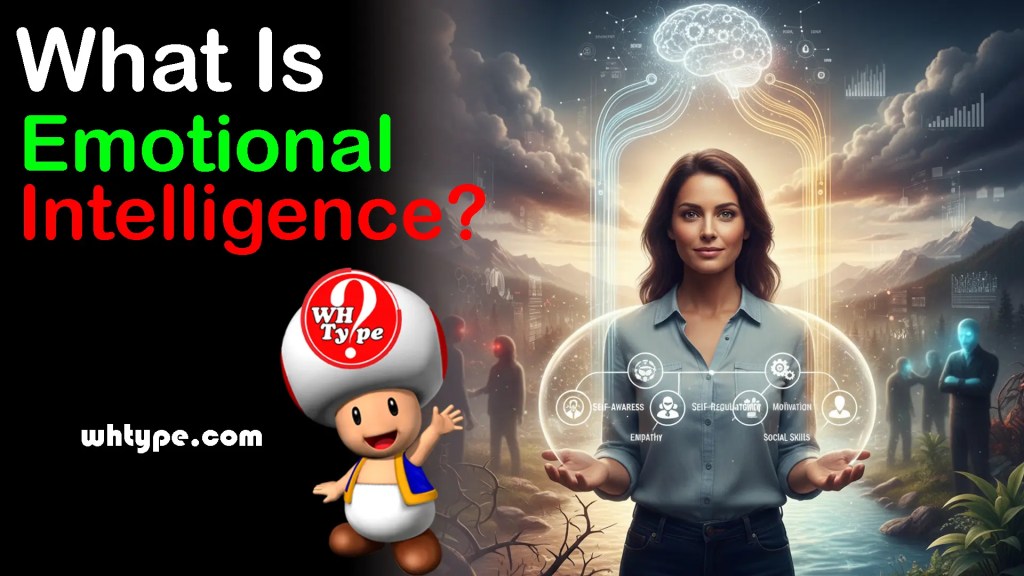
- 6. The 5 Core Components of Emotional Intelligence
- 7. Emotional Intelligence With Real-Life Examples
- 8. Emotional Intelligence in Daily Life
- 9. Emotional Intelligence in Relationships
- 10. Emotional Intelligence at Work and Career
- 11. Emotional Intelligence in Leadership
- 12. Emotional Intelligence in Students
- 13. Emotional Intelligence in Children
- 14. Emotional Intelligence and Mental Health
- 15. Emotional Intelligence and Decision Making
- 16. Emotional Intelligence and Stress Management
- 17. Signs of High Emotional Intelligence
- 18. Signs of Low Emotional Intelligence
- 19. Emotional Intelligence Skills Explained
- 20. Can Emotional Intelligence Be Learned?
- 21. How Emotional Intelligence Develops
- 22. Emotional Intelligence vs Emotional Quotient (EQ)
- 23. Benefits of Emotional Intelligence
- 24. Myths About Emotional Intelligence
- 25. Emotional Intelligence in Difficult Situations
- 26. Examples of Emotional Intelligence in Real Life
- 27. How Emotional Intelligence Improves Success
- 28. Emotional Intelligence in the Digital Age
- 29. FAQs – All W & H Type Questions About Emotional Intelligence
- What is emotional intelligence?
- Why is emotional intelligence important?
- How does emotional intelligence work?
- Can emotional intelligence be developed?
- What are examples of emotional intelligence?
- How is emotional intelligence different from IQ?
- How does emotional intelligence help in relationships?
- How can students improve emotional intelligence?
- What role does emotional intelligence play in leadership?
- Is emotional intelligence linked to mental health?
- Final Thoughts
- Read More Learn More Explore More
1. What Is Emotional Intelligence?
Emotional intelligence is the ability to understand, recognize, manage, and use emotions effectively—both your own emotions and the emotions of others.
It involves:
- Awareness of feelings
- Control over emotional reactions
- Empathy toward others
- Healthy emotional expression
- Strong interpersonal skills
In simple terms, emotional intelligence is being smart with emotions.
2. What Does Emotional Intelligence Mean in Simple Words?
Emotional intelligence means:
- Knowing what you feel
- Understanding why you feel it
- Managing emotions instead of being controlled by them
- Understanding how others feel
- Responding thoughtfully, not impulsively
A person with high emotional intelligence does not suppress emotions—but handles them wisely.
3. History and Origin of Emotional Intelligence
The concept of emotional intelligence became popular in the 1990s through psychologist Daniel Goleman, though earlier psychologists had hinted at emotional and social intelligence decades earlier.
Goleman emphasized that emotional skills are often more important than IQ for success in life.
4. Why Emotional Intelligence Is Important in Life
Emotional intelligence affects almost every area of life:
- Personal happiness
- Mental health
- Relationships
- Career growth
- Leadership ability
- Conflict resolution
People with high emotional intelligence:
- Handle stress better
- Communicate clearly
- Build stronger relationships
- Make balanced decisions
5. Emotional Intelligence vs IQ
| Emotional Intelligence | IQ |
|---|---|
| Manages emotions | Measures cognitive ability |
| Helps in relationships | Helps in academics |
| Can be developed | Mostly fixed |
| Predicts long-term success | Predicts academic success |
High IQ without emotional intelligence often leads to frustration and conflict.
6. The 5 Core Components of Emotional Intelligence
6.1 Self-Awareness
Self-awareness is the ability to recognize your own emotions and understand how they affect your thoughts and behavior.
Example:
You realize you are angry before speaking, so you pause instead of reacting.
6.2 Self-Regulation
Self-regulation is the ability to control impulses and manage emotional reactions.
Example:
You receive criticism at work but respond calmly instead of defensively.
6.3 Motivation
Emotionally intelligent people are driven by internal values rather than external rewards.
Example:
You continue working toward a goal despite obstacles because you believe in it.
6.4 Empathy
Empathy is the ability to understand and feel what others are experiencing emotionally.
Example:
You sense a friend is upset even when they don’t say it directly.
6.5 Social Skills
Social skills involve managing relationships, communication, and conflict effectively.
Example:
You resolve a disagreement by listening and finding common ground.
7. Emotional Intelligence With Real-Life Examples
- Staying calm during an argument
- Listening without interrupting
- Apologizing sincerely
- Encouraging others
- Handling rejection maturely
These behaviors show emotional intelligence in action.
8. Emotional Intelligence in Daily Life
From handling traffic stress to managing family conversations, emotional intelligence shapes everyday experiences.
9. Emotional Intelligence in Relationships
Emotionally intelligent partners:
- Communicate openly
- Respect boundaries
- Manage conflict peacefully
- Support emotional needs
This leads to deeper emotional connection.
10. Emotional Intelligence at Work and Career
At work, emotional intelligence helps in:
- Team collaboration
- Leadership
- Managing pressure
- Giving and receiving feedback
Employers value emotional intelligence as much as technical skills.
11. Emotional Intelligence in Leadership
Great leaders inspire trust because they understand people, not just tasks.
Leaders with high EI:
- Listen actively
- Stay calm in crisis
- Motivate teams
12. Emotional Intelligence in Students
Students with emotional intelligence:
- Handle exam stress
- Manage time better
- Build healthy friendships
13. Emotional Intelligence in Children
Teaching emotional intelligence early helps children:
- Express emotions safely
- Develop empathy
- Improve behavior
14. Emotional Intelligence and Mental Health
High emotional intelligence supports:
- Emotional regulation
- Stress management
- Reduced anxiety
15. Emotional Intelligence and Decision Making
Emotional intelligence balances emotion and logic, leading to better decisions.
16. Emotional Intelligence and Stress Management
Recognizing emotional triggers helps prevent emotional overload.
17. Signs of High Emotional Intelligence
- Self-control
- Empathy
- Emotional awareness
- Healthy communication
- Adaptability
18. Signs of Low Emotional Intelligence
- Frequent emotional outbursts
- Lack of empathy
- Poor listening
- Difficulty handling criticism
19. Emotional Intelligence Skills Explained
Key skills include:
- Emotional awareness
- Empathy
- Self-regulation
- Communication
- Conflict management
20. Can Emotional Intelligence Be Learned?
Yes. Emotional intelligence is a learnable skill that improves with practice and awareness.
21. How Emotional Intelligence Develops
It develops through:
- Self-reflection
- Life experiences
- Mindfulness
- Feedback
22. Emotional Intelligence vs Emotional Quotient (EQ)
EQ is the measurement of emotional intelligence.
23. Benefits of Emotional Intelligence
- Better relationships
- Career success
- Mental stability
- Leadership growth
24. Myths About Emotional Intelligence
- Emotionally intelligent people don’t feel emotions ❌
- Emotional intelligence is weakness ❌
- You’re born with it ❌
25. Emotional Intelligence in Difficult Situations
Emotionally intelligent people remain calm, reflective, and solution-focused during crisis.
26. Examples of Emotional Intelligence in Real Life
- Accepting feedback positively
- Supporting others emotionally
- Managing anger wisely
- Practicing patience
27. How Emotional Intelligence Improves Success
Success requires cooperation, adaptability, and emotional balance—all rooted in emotional intelligence.
28. Emotional Intelligence in the Digital Age
Online communication requires higher emotional awareness due to lack of emotional cues.
29. FAQs – All W & H Type Questions About Emotional Intelligence
What is emotional intelligence?
Emotional intelligence is the ability to understand, manage, and use emotions effectively in yourself and others.
Why is emotional intelligence important?
It improves relationships, mental health, decision-making, and success in life.
How does emotional intelligence work?
It works by increasing awareness, regulation, empathy, and social skills.
Can emotional intelligence be developed?
Yes, emotional intelligence can be learned and improved at any age.
What are examples of emotional intelligence?
Staying calm under pressure, listening actively, showing empathy, and managing conflict.
How is emotional intelligence different from IQ?
IQ measures cognitive ability; emotional intelligence measures emotional awareness and management.
How does emotional intelligence help in relationships?
It improves communication, empathy, and conflict resolution.
How can students improve emotional intelligence?
By practicing self-awareness, managing stress, and developing empathy.
What role does emotional intelligence play in leadership?
It helps leaders inspire trust, manage teams, and handle challenges effectively.
Is emotional intelligence linked to mental health?
Yes, high emotional intelligence supports emotional regulation and stress management.
Final Thoughts
Emotional intelligence is not about controlling emotions—it is about understanding them and using them wisely. In a world driven by pressure, comparison, and speed, emotional intelligence is the skill that brings balance, clarity, and meaningful success.
Developing emotional intelligence is not a luxury—it is a life skill that transforms how you live, work, and connect with others.

















































 WH Type
Leave a comment